


Mollie Rush’s musical identity is as eclectic as it is intense. A vocalist, producer of hard dance music, and a seasoned DJ, Rush has spent years carving out a niche in an industry that often feels at odds with the artists who sustain it. From fronting a nine-piece ska band to founding queer hardcore collectives, Rush’s career is a testament to the power of creative obsession, even when balanced against the mundane realities of a day job.
Navigating Identity in a Male-Dominated Industry
As a non-binary, femme-presenting artist, Rush has faced the persistent challenges of a male-dominated industry. The underestimation and condescension directed toward non-male artists, particularly those outside the gender binary, remain a significant hurdle. Rush notes that while they often project a formidable exterior—attributed to a combination of “northernness” and a distinct aesthetic—this serves as a necessary shield against the more toxic elements of the scene.
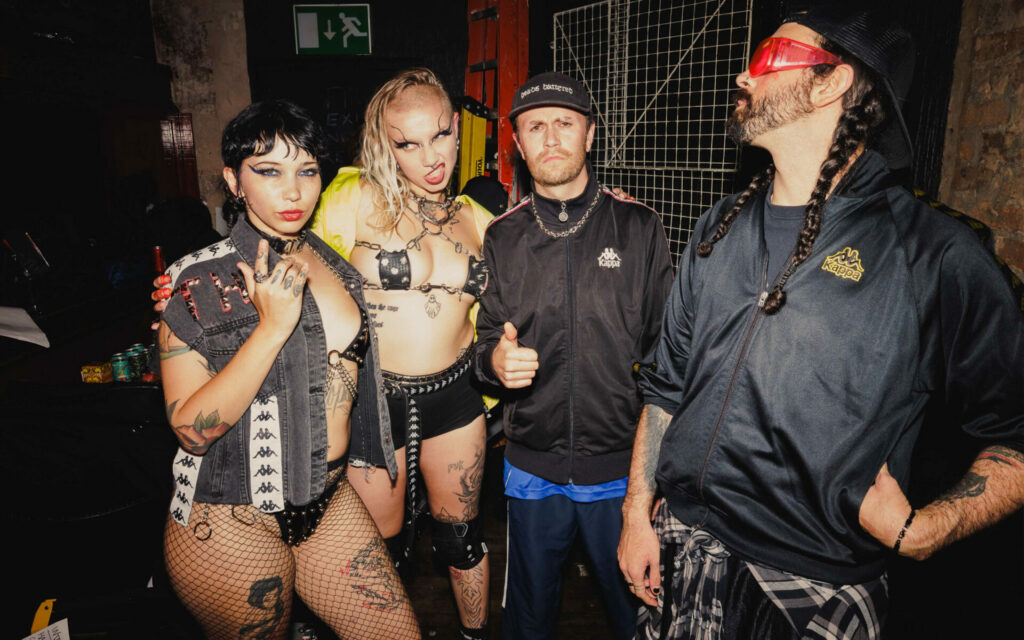
During their tenure with the electronic punk outfit Tokky Horror (2020–2024), Rush and their bandmates prioritized creating queer-inclusive spaces free from patriarchal pressures. However, even within these intentional environments, they encountered demeaning behavior from promoters and peers. Rush emphasizes that the bravado often found in hardcore punk circles can stifle the community, calling for a cultural shift where artists hold one another accountable for their behavior.
The Economic Reality of the British Arts
A recurring theme in Rush’s narrative is the lack of structural support for musicians in Britain. Despite a decade of dedication, the financial reality remains precarious. Rush describes this not as a complaint, but as a “declaration of passion.” For them, music is the consistent force that provides meaning, driving them through the exhaustion of touring and the stress of financial instability.
“Music is the one consistent thing in my life that makes me glad to be here,” Rush explains. This drive is what fuels their presence in every environment, from high-production stages to the grittiest, sweat-dripping clubs. It is a sentiment echoed by many in the industry who find themselves questioning the value placed on art in a society that often fails to provide a living wage for its creators. Rush points to the words of ABBA to summarize this existential connection: “Without a song, or a dance, what are we?”
Tales from the Road: From Bruges to Milan
Touring is rarely the glamorous endeavor it is perceived to be. Rush recalls a 2016 European tour with the band Unknown Era that involved sleeping on squat floors and navigating a nonsensical routing through the Netherlands, Germany, and Belgium. One particularly chaotic memory involves a show in Bruges where the band’s trumpet player jumped into a canal, leading to a hasty exit to avoid a run-in with the local police.
Despite the chaos, these experiences forged deep bonds. Rush credits the camaraderie of the road with providing some of their most cherished friendships. This sense of community was particularly vital following the loss of their manager, Dazza, whose memory continues to inspire Rush’s performances. A pivotal moment occurred during a DJ gig in London, where a view of The O2—a place Dazza had loved—served as a powerful reminder of his support, turning Rush’s performance anxiety into a moment of pure gratitude.
The Balancing Act: The “Hannah Montana” Lifestyle
Perhaps the most grueling aspect of Rush’s career is the “Hannah Montana” existence of balancing international gigs with a day job in special educational needs (SEN) support. The transition from a high-energy stage in Milan to a classroom at 6:00 AM on a Monday is a stark reality for many modern artists. Rush details a whirlwind weekend performing with The Bloody Beetroots for their 20th-anniversary show in Italy:
- Friday: Work until 3:30 PM, followed by an early night.
- Saturday: A 1:30 AM wake-up call for a flight to Milan, followed by a series of logistical hurdles, including lost food deliveries and a frantic run for makeup in platform boots.
- The Performance: Despite a power surge and corrupted USBs, Rush successfully performed, finishing the set at 3:00 AM.
- Sunday: An 8:00 AM pickup for the return journey to Bristol, arriving home just in time for a few hours of sleep.
- Monday: Back in the classroom by 6:00 AM, supporting students while recovering from the adrenaline of the stage.
Rush’s story is one of resilience and an unwavering commitment to their craft. While the path is rarely linear and the “big breaks” are often elusive, the rewards found in connection and creative expression remain, for Rush, entirely worth the struggle.