

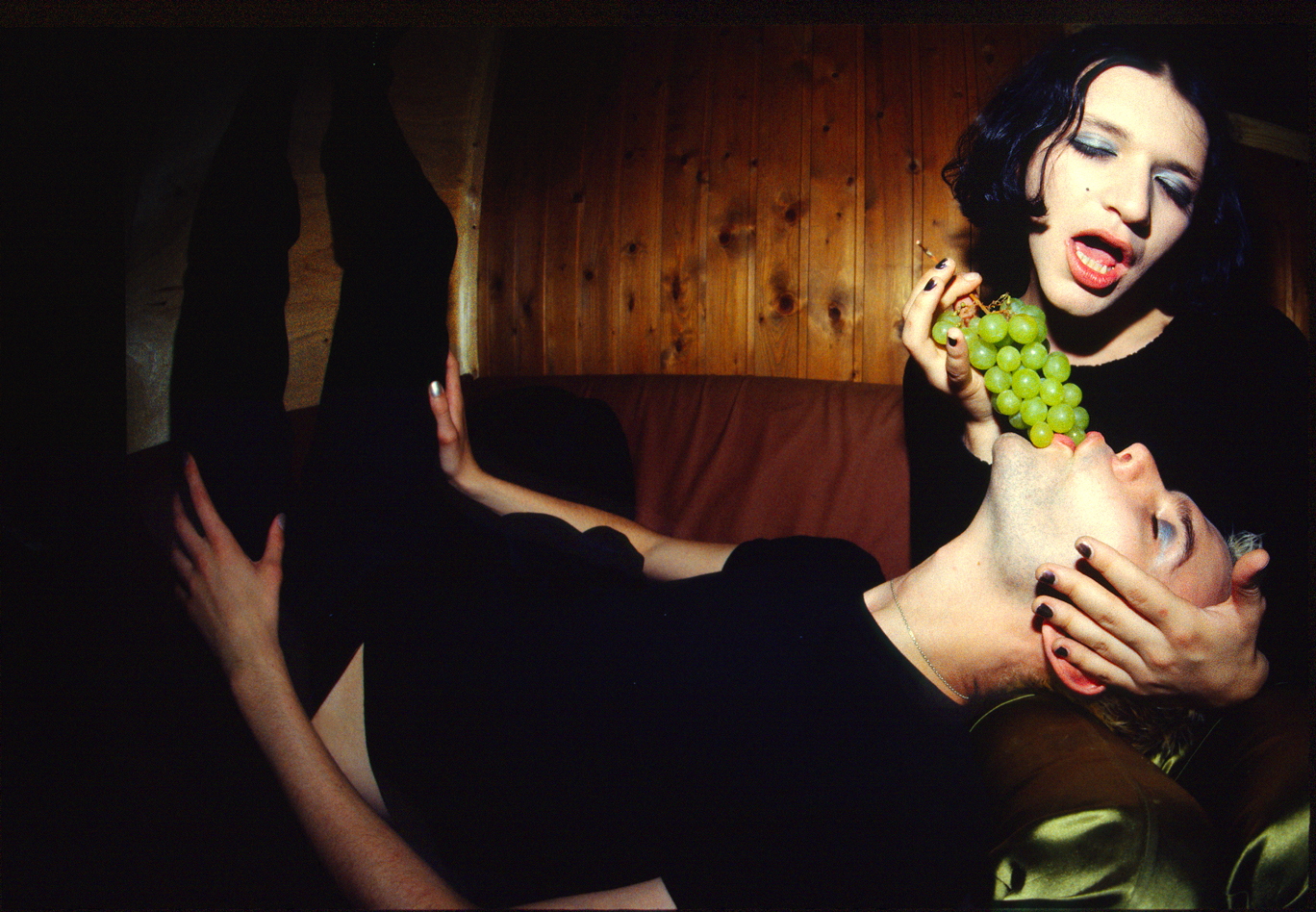
Three decades after the release of their self-titled debut album, Placebo are still finding new ways to revisit the record that changed their lives. The band’s 30th anniversary project, RE:CREATED, is neither a straightforward remaster nor an exercise in nostalgia. Instead, Brian Molko and Stefan Olsdal describe it as a “director’s cut”—an opportunity to revisit the songs with three decades of additional experience while preserving the spirit of the original recordings.
As part of a recent interview, Molko and Olsdal sat down to discuss the song that almost never happened, the surreal experience of becoming Top of the Pops stars, and what they discovered when they returned to the album that started it all.
The Origins of ‘Nancy Boy’
For Brian Molko, the band’s most iconic track, ‘Nancy Boy,’ almost didn’t make the cut. “I remember Stefan had lent me a Tascam four-track cassette recorder and the first thing I demoed was ’36 Degrees.’ Then I came up with the chords for ‘Nancy Boy’,” Molko recalls. Initially, he feared the track was too mainstream, but Stefan Olsdal immediately recognized its potential. “By the time I finished playing, Steph just looked at me with an enormous smile and just went, ‘That’s a fucking massive hook. We have to do something with it.’”
Molko notes that the song’s enduring power lies in its juxtaposition of pop sensibilities and raw aggression. “It’s this combination of this really accessible hooky melody, that is very pop, with this brutal guitar sound. It was difficult not to like but, at the same time, it was very, very punk.”
A New Perspective on the Past
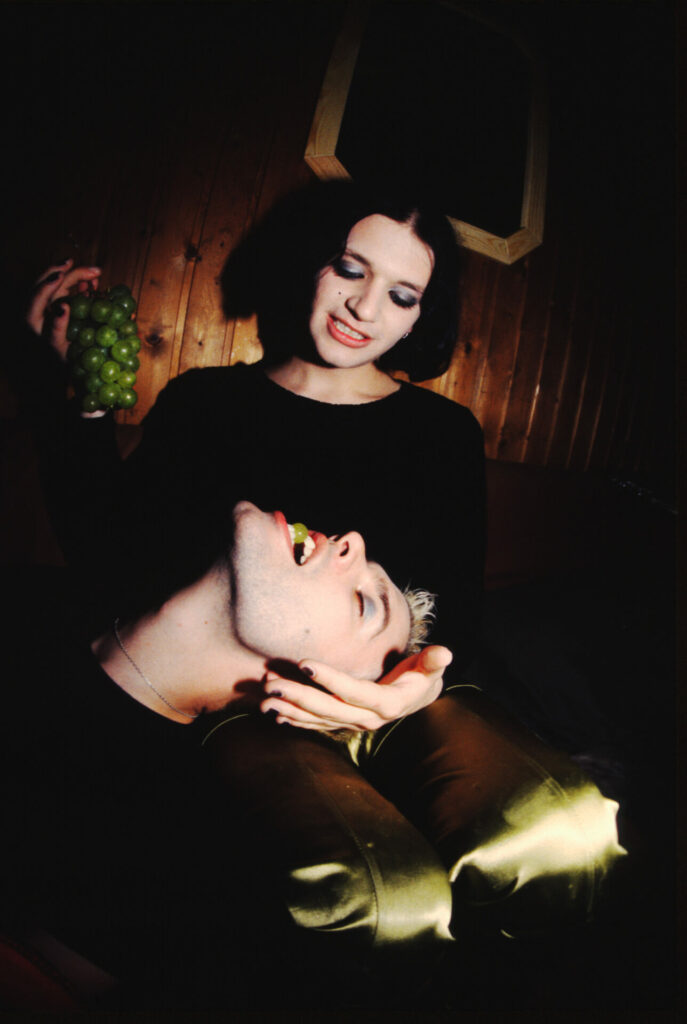
The RE:CREATED project serves as a bridge between the band’s past and present. “There are moments on the album where 53-year-old Brian is doing a duet with 22-year-old Brian,” says Molko. “That’s fascinating to me.” The band aimed to avoid the pitfalls of a standard anniversary release, opting instead to bring the sonic quality of the record into the 21st century while maintaining the integrity of the original performances.
Revisiting the tapes also dispelled some long-held myths the band had about their own work. “I’d created in my mind an image of this record being budget sounding and ineptly executed, and that was just a complete fabrication,” Molko admits. “There was nothing budget about the sound. There was nothing inept whatsoever about our performances.”
Ultimately, the process was about finishing what they started. “Somehow it feels like we’ve come back and finished it without changing it,” Olsdal adds. “Because all the performances are still there. All the original takes are still there.” With the removal of a few dated elements—specifically a didgeridoo and some bongos—the band feels they have finally realized the true potential of their debut.