

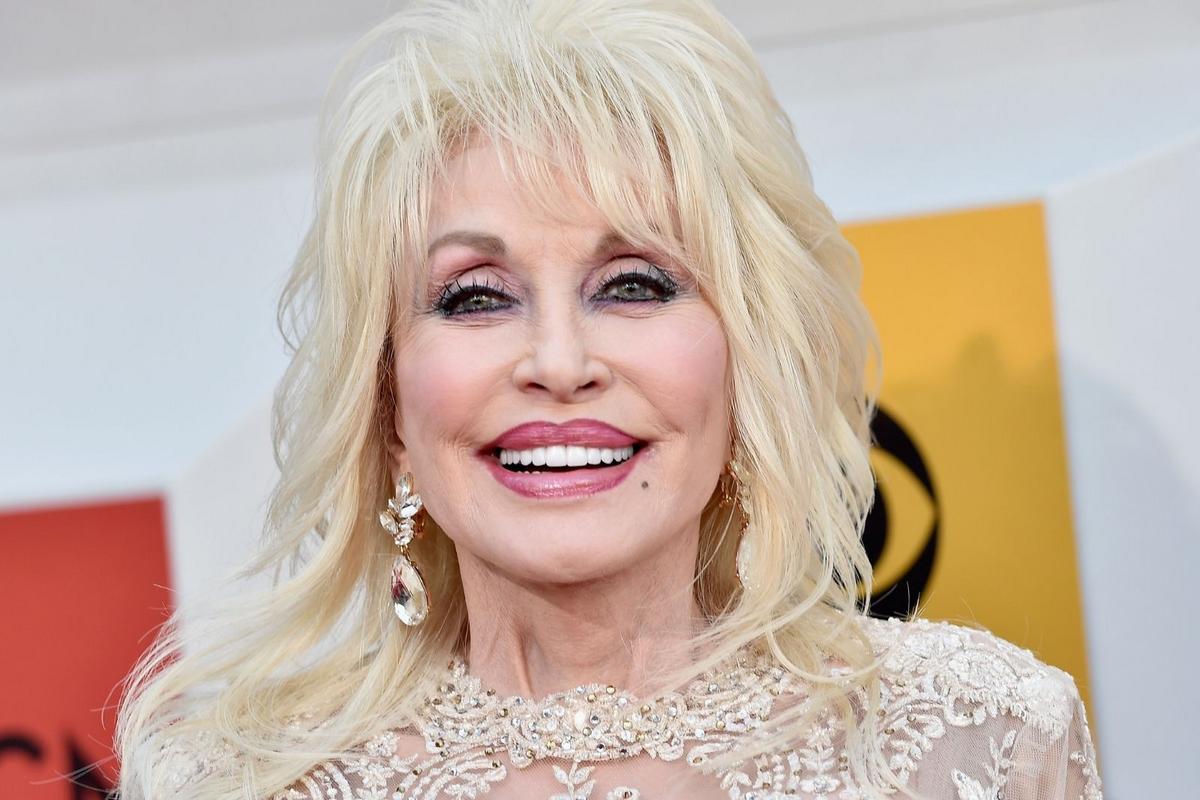
For many fans, visiting country star gravesites is a way to pay a final tribute to the voices that defined generations. These locations serve as more than just burial plots; they are powerful memorials and pilgrimage destinations for those wishing to honor the legacies of their favorite artists. Following her passing on August 25, the legendary Dolly Parton, known for her timeless hits like 9 To 5, was laid to rest at Nashville’s Woodlawn Memorial Park and Mausoleum, marking a somber moment for the music world.
The Legacy of Woodlawn Memorial Park
Dolly Parton was interred alongside her late husband, Carl Dean, who passed away in March 2025. Their memorial site, located within the mausoleum, features a plaque depicting the mountain home where Parton was raised—a poignant nod to her humble beginnings in the Great Smoky Mountains. The site is currently open for public visitation, and fans have been invited to sign a guest book in her memory. Fan-captured footage has already begun to circulate, showing the serene atmosphere of the memorial plot and the surrounding grounds.
Woodlawn Cemetery in Nashville is perhaps the most significant location for those seeking to visit the resting places of country music royalty. It serves as the final home for icons such as George Jones, Tammy Wynette, Johnny Paycheck, and Porter Wagoner. Jones’ gravesite is particularly recognizable, featuring grand arches inscribed with the lyrics to his masterpiece, “He Stopped Loving Her Today.” Interestingly, the cemetery is also the resting place for non-country luminaries, including Aretha Franklin, Miles Davis, and Duke Ellington.
Unique Monuments and Modest Tributes
Beyond Nashville, other legends rest under equally distinctive markers. Kenny Rogers is buried at Oakland Cemetery in Atlanta, Georgia. His memorial is a large, raised circular monument inscribed with the phrase, “Will the circle be unbroken,” reflecting the communal spirit of the genre.
However, not every legend opted for such grandeur. Waylon Jennings, for instance, is memorialized with a modest stone featuring his photograph. Similarly, some stars are buried under their legal names rather than their famous stage personas. Fans searching for the graves of Conway Twitty or Minnie Pearl must look for Harold Jenkins and Sarah Cannon, respectively, or they might walk right past these icons without realizing who is buried there.
Whether through ornate mausoleums or simple headstones, these sites ensure that the stories of country music’s greatest performers continue to resonate long after the final curtain call. Each grave offers a unique glimpse into the personality and history of the artist it honors.