
 Download media kit
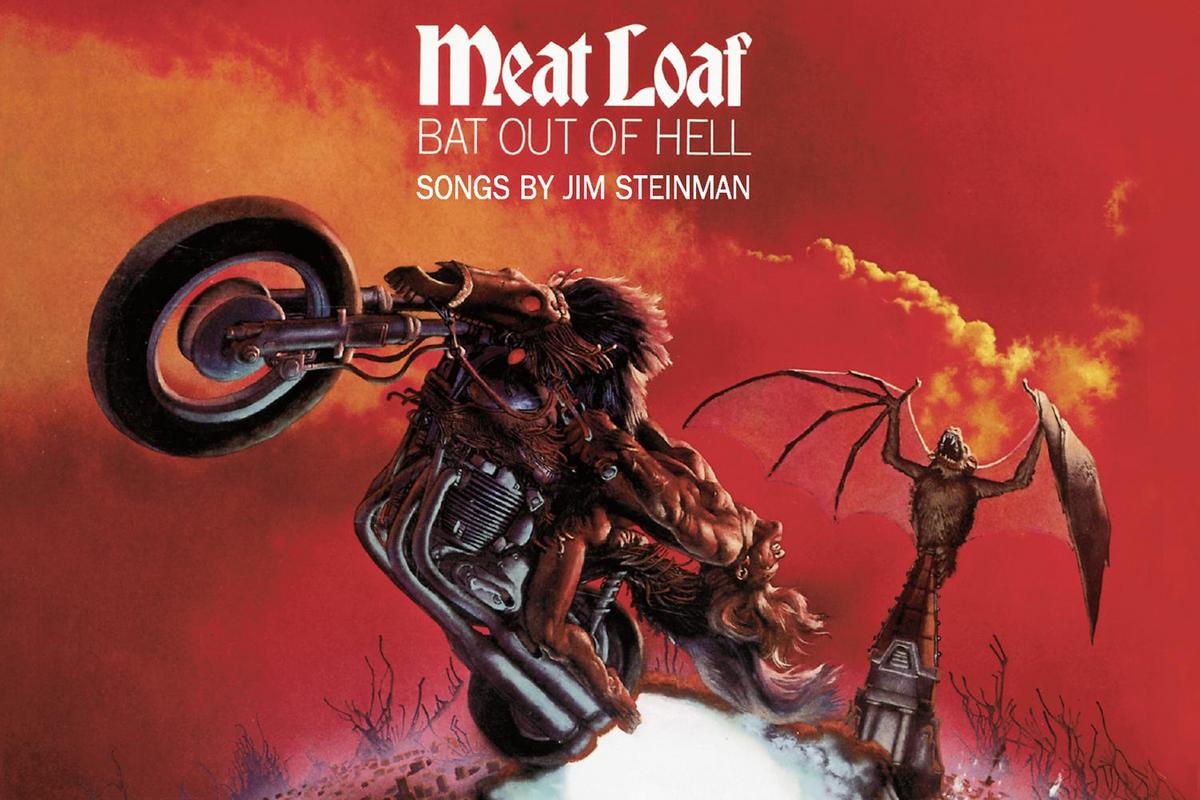
Today, Meat Loaf's Bat Out of Hell is celebrated as an essential pillar of rock history, but its origins were defined by widespread industry skepticism. Throughout the 1970s, the ambitious project spearheaded by Meat Loaf and composer Jim Steinman struggled to find a home, facing rejection from virtually every major label and producer they approached.
Producer Todd Rundgren eventually stepped in to help guide the record, though he noted that the duo had already exhausted their options. When Rundgren first auditioned the material, it was a raw, theatrical display: Steinman at the piano and Meat Loaf pacing the room, pouring his energy into the performance. Rundgren admitted he initially viewed the project through a specific lens, seeing it as a potential satire of the Bruce Springsteen phenomenon that was dominating the cultural conversation at the time. He chose to treat the project seriously, allowing the pair the creative freedom they were being denied elsewhere.

Funding remained a persistent hurdle. Attorney David Sonenberg, who managed the project, eventually secured private investment to buy out their initial contract with RCA, allowing the team to proceed with their vision. Rundgren even utilized his own resources at Bearsville to keep the production moving. Despite this, the finished product was still met with resistance, with both Bearsville and Warner Brothers passing on the opportunity to release it.
The tide finally turned when Steve Popovich of Cleveland International Records recognized the unique, theatrical power of the music. Unlike his peers, who were focused on the prevailing trends of the era, Popovich saw the potential in Meat Loaf’s commanding presence and Steinman’s operatic compositions. His relentless work ethic in promoting the album, combined with the band’s non-stop touring, eventually propelled the record to massive success.

Reflecting on the experience years later, Meat Loaf remained humble about the collaborative effort required to break through. He frequently acknowledged the team of supporters, promoters, and radio advocates who worked behind the scenes to turn the project into a global phenomenon. As he noted during a 2013 interview, "Any artist who will sit here and tell you they did it themselves is a flat out liar. There were so many people involved... You don’t do anything by yourself, ever."