

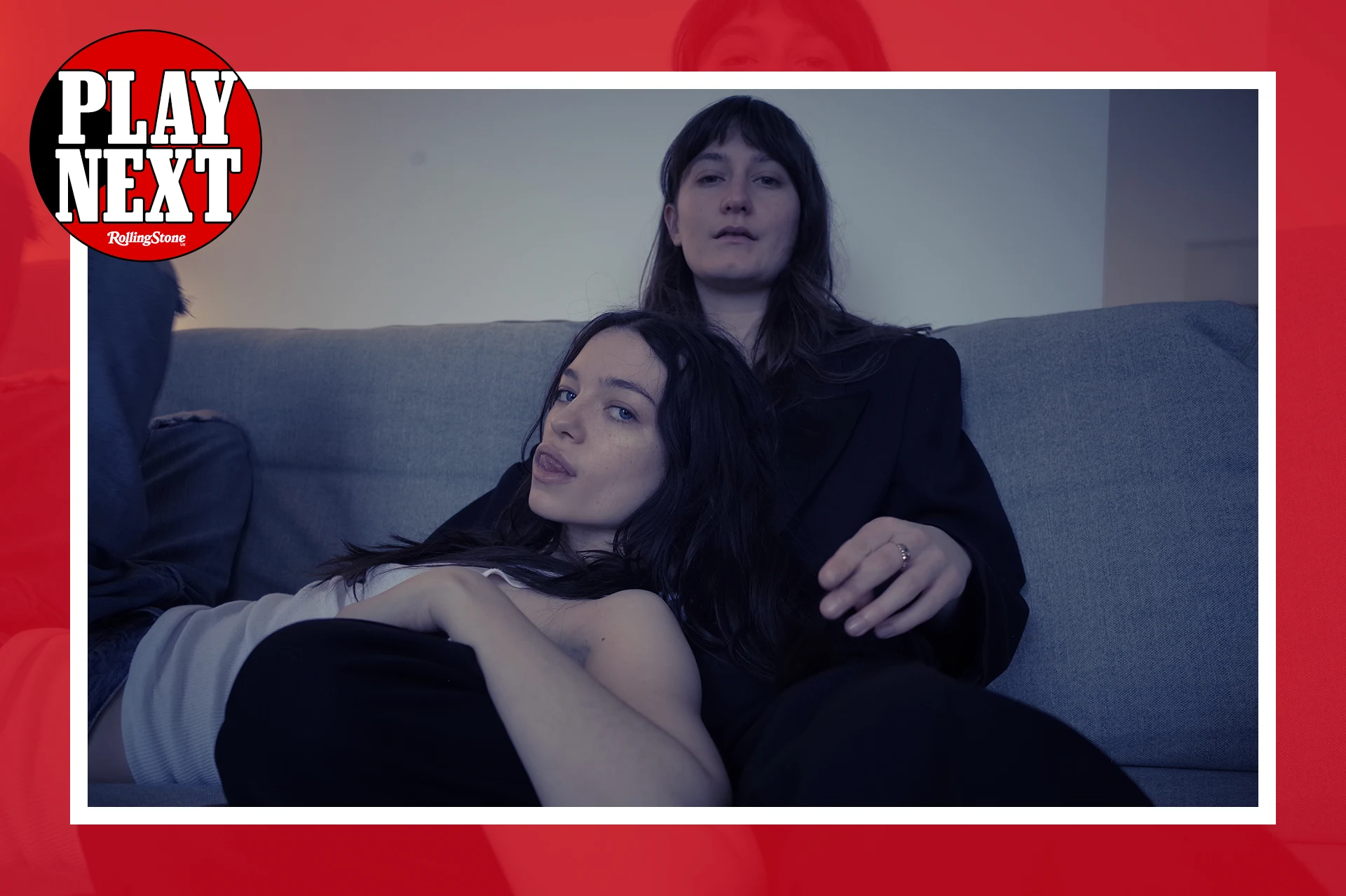
In this Cusk band interview, we explore the creative synergy between Esmé Creed-Miles and Evie Hilyer-Ziegler, a partnership that feels as though it were scripted for the silver screen. The duo’s origin story began at Dalston’s Shacklewell Arms during a night of improvisational music. Hilyer-Ziegler, a mainstay of London’s traditional folk scene, was performing on stage when she caught the eye of Creed-Miles. What started as a bold approach from a stranger has since blossomed into a fruitful creative alliance, transforming solo demos into a cohesive, avant-garde musical project.
At the time of their meeting, Creed-Miles—already established as a successful actor—was sitting on a collection of solo material that she felt required a specific external input. Hilyer-Ziegler’s unique approach to the violin and her ability to find melody within improvisation provided the missing piece. This collaboration eventually led to the creation of Cusk’s self-titled debut EP, released via The Bird Records. The label is helmed by Charlie Wayne, the drummer for Black Country, New Road, who also lends his talents to Cusk’s live performances.
Sculpting a Unique Sonic Identity
The sonic landscape of Cusk is heavily influenced by the raw, clashing arrangements of early PJ Harvey. Creed-Miles explains that she sought to incorporate strings that defied conventional, polished arrangements, opting instead for a more anarchic and visceral tone. Upon seeing Hilyer-Ziegler perform, she recognized an instant musical chemistry. The duo’s writing process has since evolved from Creed-Miles bringing chords for Hilyer-Ziegler to harmonize, into a fully collaborative effort where both members contribute to guitar riffs, vocal harmonies, and melodic structures.
While the songs on the debut EP were largely written before the pair met, Creed-Miles views Hilyer-Ziegler’s contributions as essential to their realization. Comparing the dynamic to the legendary partnership of Johnny Marr and The Smiths, Creed-Miles notes that Hilyer-Ziegler’s riffs and melodies are the glue that brings the songs together. This collaborative spirit has allowed the project to transcend its solo origins and become a true band effort.
Narratives of Queer Yearning and Repression
Lyrically, the EP serves as a time capsule of personal growth and self-discovery. Creed-Miles reveals that much of the material explores themes of queer yearning and the juvenile attempts to navigate identity within heteronormative structures. She reflects on lyrics that once served as a way to rectify her feelings, such as mentioning a relationship with a girl only to immediately follow it with a mention of a boyfriend. This sense of repression adds a layer of painful honesty to the tracks, which Creed-Miles now performs with a mix of sadness and wisdom.
Hilyer-Ziegler, despite occasionally struggling to catch every lyric during the heat of a live performance, finds a profound depth in the songwriting. She describes hearing a “young person” in the lyrics who is simultaneously “wise beyond their years.” This emotional resonance has only deepened as the band has spent the last year performing the material live, allowing the songs to take on new meanings as the members themselves evolve.
The Los Angeles Connection: Collaborating with Jenny Lee
One of the standout moments in Cusk’s early career is the inclusion of Jenny Lee Lindberg of Warpaint on the track “Did it make you cry.” The collaboration was the result of a chance encounter in Los Angeles, where Creed-Miles was working as an actor. A longtime fan of Warpaint and Lindberg’s solo work, Creed-Miles boldly invited the musician to an afterparty. After hearing the Cusk demos, Lindberg was so impressed that she offered to contribute vocals to the recording, a moment Creed-Miles describes as a “full circle” experience.
Looking ahead, Cusk is focused on maintaining an “instrument-first” ethos. Inspired by the grand, journey-like arrangements of artists such as Nick Cave, the duo intends to keep their future recordings raw and live-focused. Hilyer-Ziegler is also stepping into a more prominent role, contributing more vocals and embracing what she calls her “rock violin moment.” As they continue to write new material from scratch, the band remains committed to capturing the instinctual, live energy that first brought them together in a Dalston pub.