

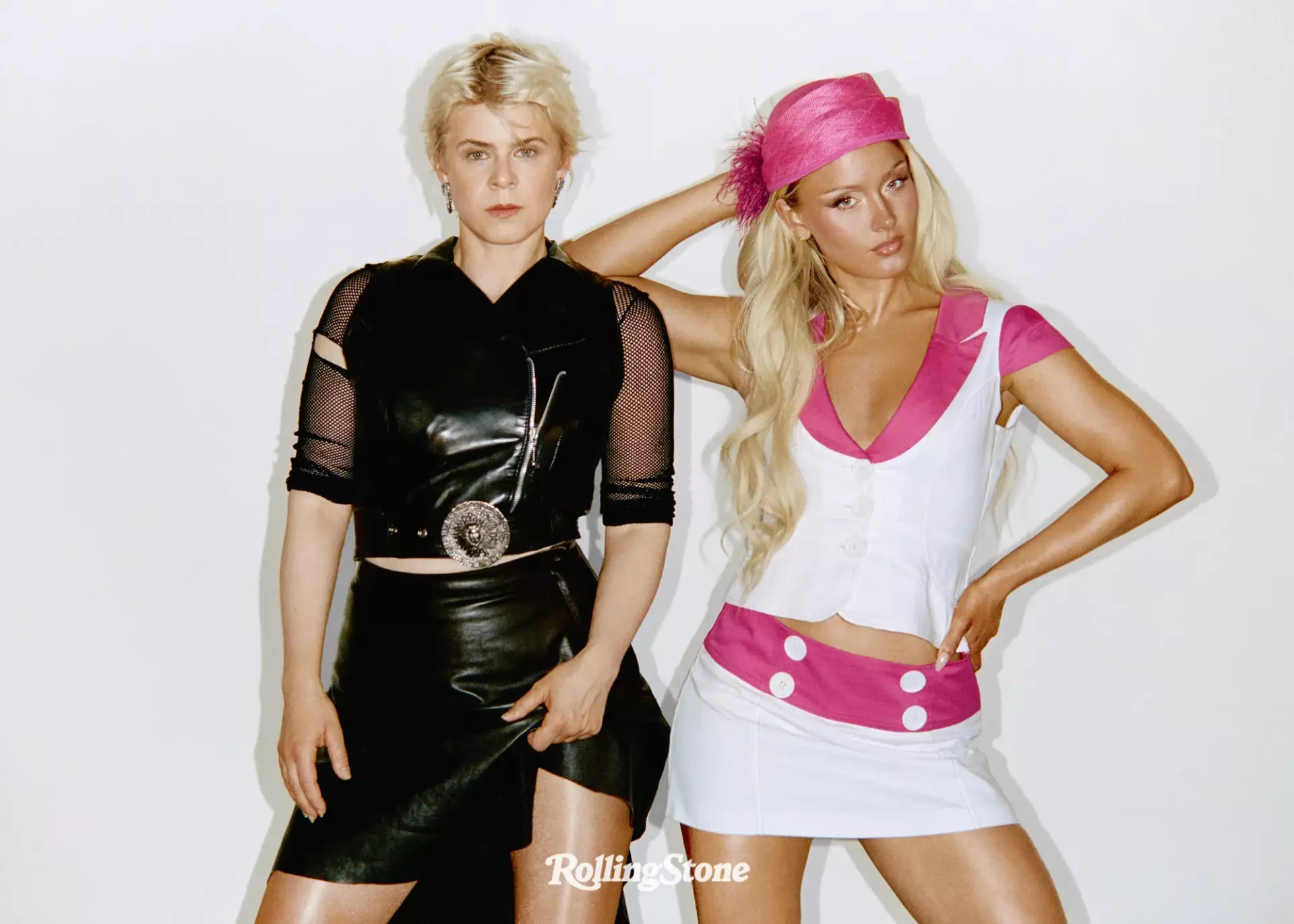
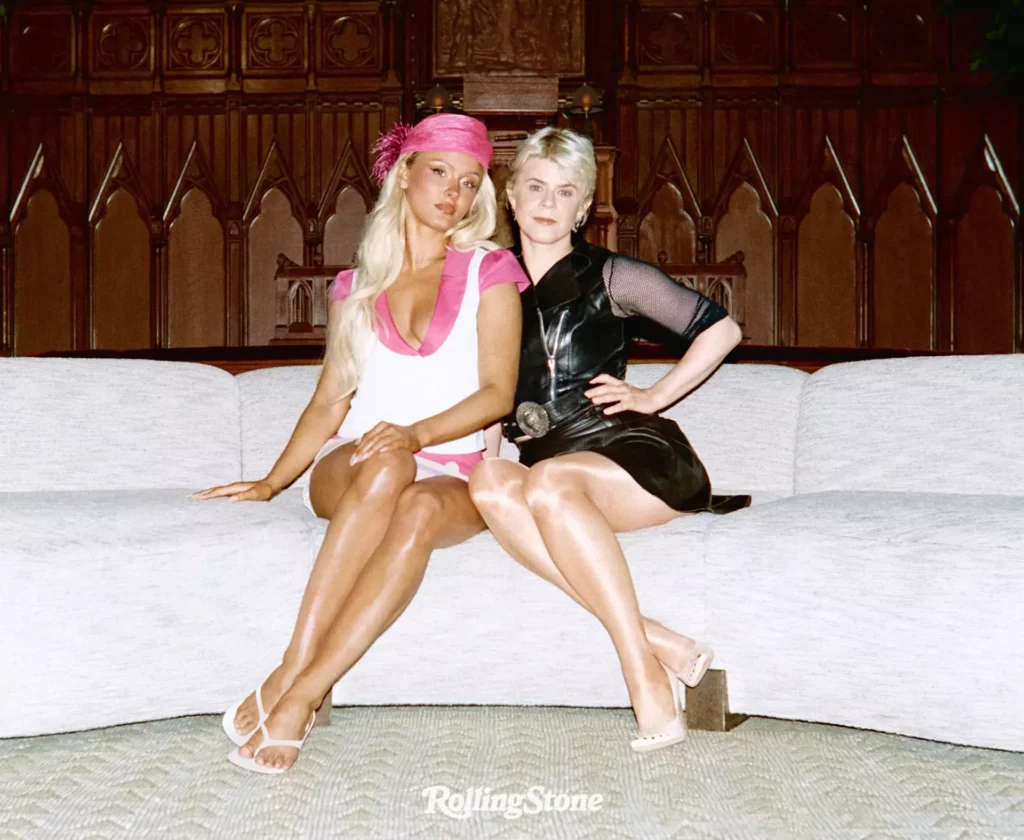
In the heart of Stockholm, two generations of iconic Robyn and Zara Larsson recently converged at Soho House to discuss the past, present, and future of their careers. The setting—an old Methodist church transformed into a social hub—provided a fitting backdrop for a conversation that bridged the gap between the 90s pop explosion and the modern digital era. Despite their global reach, the two stars found themselves navigating the slight awkwardness of speaking English together, a necessity of their international careers that contrasts with their shared Swedish roots.
The Power of ‘Flamsig’ and Creative Protection
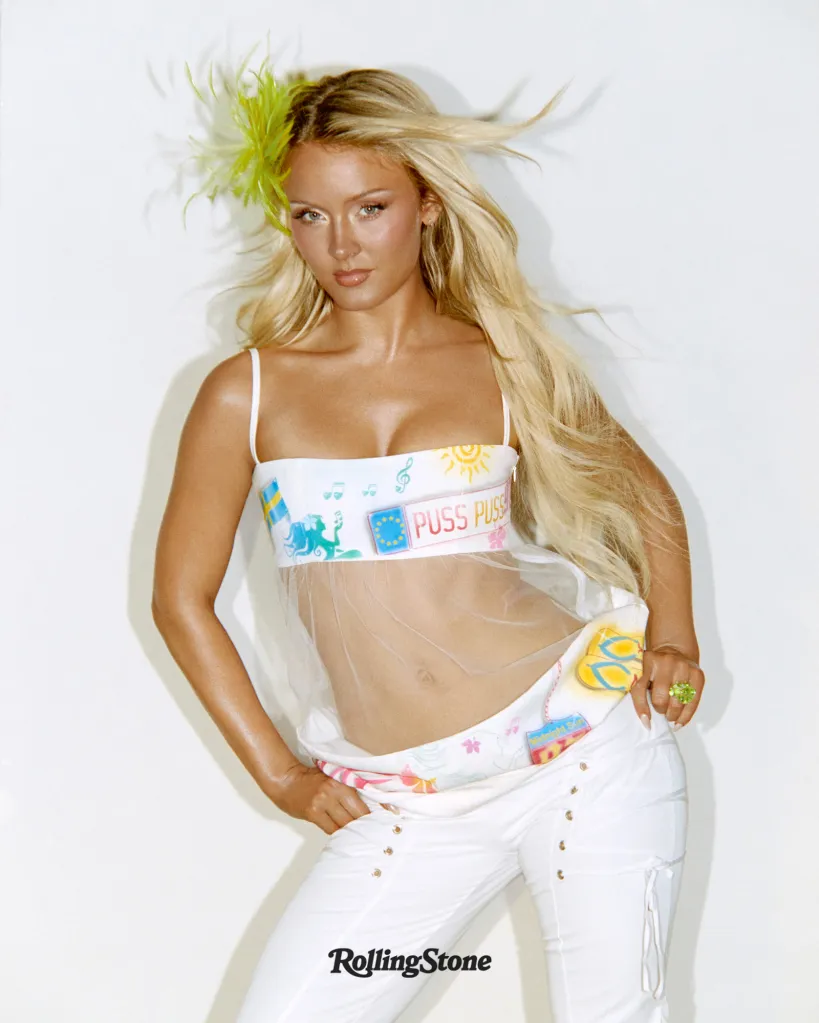
Central to their connection is the Swedish concept of flamsig—a state of silliness or having the giggles. For Robyn, whose career began at the age of 16 with the 1995 release of Robyn Is Here, this sense of play has always been a vital component of the creative process. She describes a ‘banana radio’ state she enters with long-time collaborator Klas Åhlund, an elevated mental space that allows for authentic expression. Zara Larsson, who broke through in 2015 with hits like ‘Lush Life,’ views this lightheartedness as her top priority, a philosophy that ensures nothing is ever taken too seriously, even amidst the pressures of global stardom.
This humor often serves as a protective layer for female pop stars. Robyn notes that while the public may perceive the silliness as mere fun, it actually shields the artist’s core integrity. Larsson agrees, noting that injecting humor into serious conversations—such as those regarding reproductive rights—makes the message more human and accessible. This shared understanding of the industry’s nuances has allowed both women to maintain their voices in a field often dominated by external expectations.
Collaborative Spirits and the Midnight Sun
The evolution of their creative processes highlights a shift toward intentional collaboration. For Larsson, her fifth studio album, Midnight Sun, marked a turning point where she finally found her own ‘tribe’ of collaborators, including Margo XS and Helena Gao, with MNEK serving as executive producer. She emphasizes the importance of working in spaces with queer and female writers, where shared life experiences eliminate the need for constant explanation—a ‘shortcut’ that bypasses the traditional male-dominated studio dynamic.
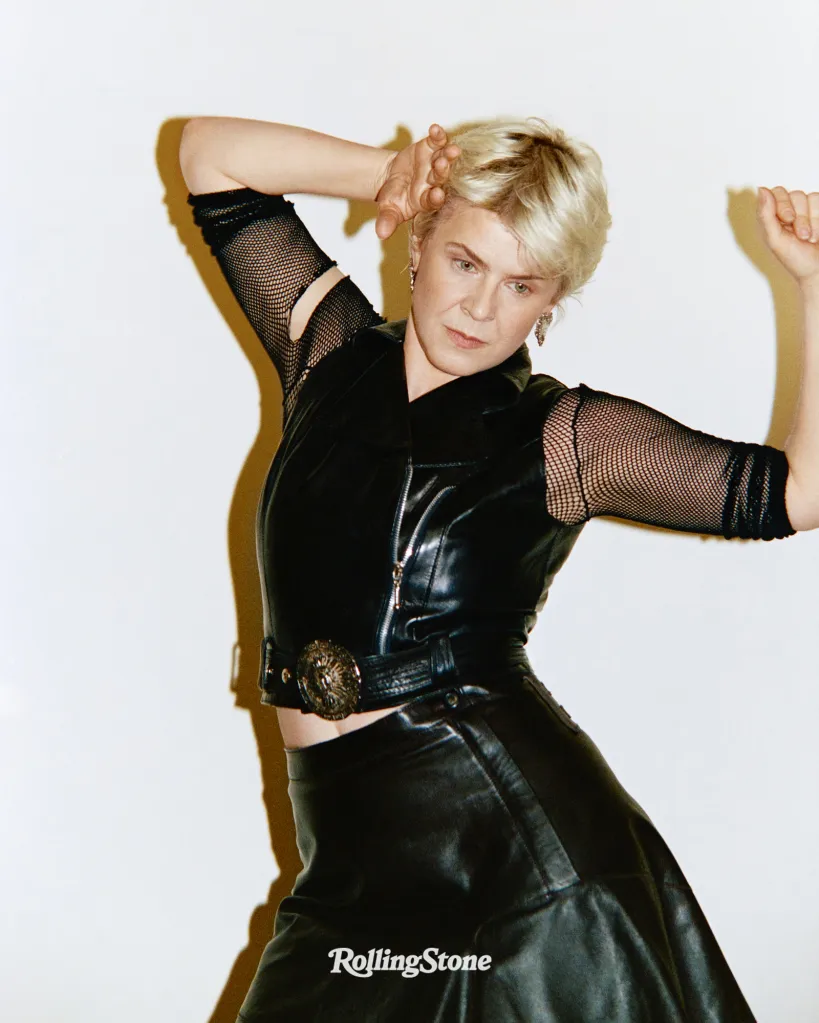
Robyn’s own collaborative history is anchored by her relationship with Klas Åhlund, whom she describes as the ‘second band member’ of her project. Their partnership began under chaotic circumstances in 2005, involving a confrontation with paparazzi that ended with Åhlund in jail. Despite an age gap that initially cast Robyn in a ‘little sister’ role, they forged a bond that has sustained her career through its most experimental and successful phases.
The Price of Authenticity: Activism and Backlash
Being an outspoken woman in pop has never been without its costs. Larsson, who has been vocal on social media since she was 13 or 14, recently faced a $3 million loss in brand deals after supporting abortion rights. Yet, she remains undeterred, viewing her platform as a tool for empathy and connection, even in disagreement. Robyn recalls a much harsher environment in her early years, where her ‘cocky’ attitude led to real-life trolling, including audiences throwing eggs and tomatoes at her during shows.
Robyn’s recent work has delved into even more personal territory, touching on her journey with IVF and independent motherhood. While some in Sweden labeled this ‘girlbossing,’ Robyn felt it was an act of extreme vulnerability—’pulling down my own pants’ to show the reality of her life. Both artists agree that expanding their careers outside of Sweden provided a necessary liberation, allowing them to present complex versions of femininity that include both beauty and political conviction.
Legacy, Longevity, and the Digital Divide
The conversation inevitably turned to the future and the concept of the ‘expiration date’ for female pop stars. Larsson points to 80s icon Madonna as a pioneer who continues to defy ageist expectations, proving that sexiness and power are not reserved for the young. Robyn echoes this sentiment, focusing on the ‘obsession’ with the craft rather than a long-term career plan. For her, the magic lies in the moment a song like ‘Dancing on My Own’—originally a song about connecting with her father—takes on a life of its own in the cultural zeitgeist.
As they look toward the next generation, both stars note the impact of social media on fan engagement. While Larsson admits to being ‘addicted’ to her phone, she observes that younger fans often prioritize capturing a moment for digital currency over actually experiencing it. Robyn, who grew up before the era of Instagram, values the freedom of having lived a life that wasn’t constantly recorded. Despite these shifts, the ‘Swedish pop phenomenon’ remains a powerful force, with both Robyn and Zara Larsson standing as pillars of a culture that continues to influence the global stage.