

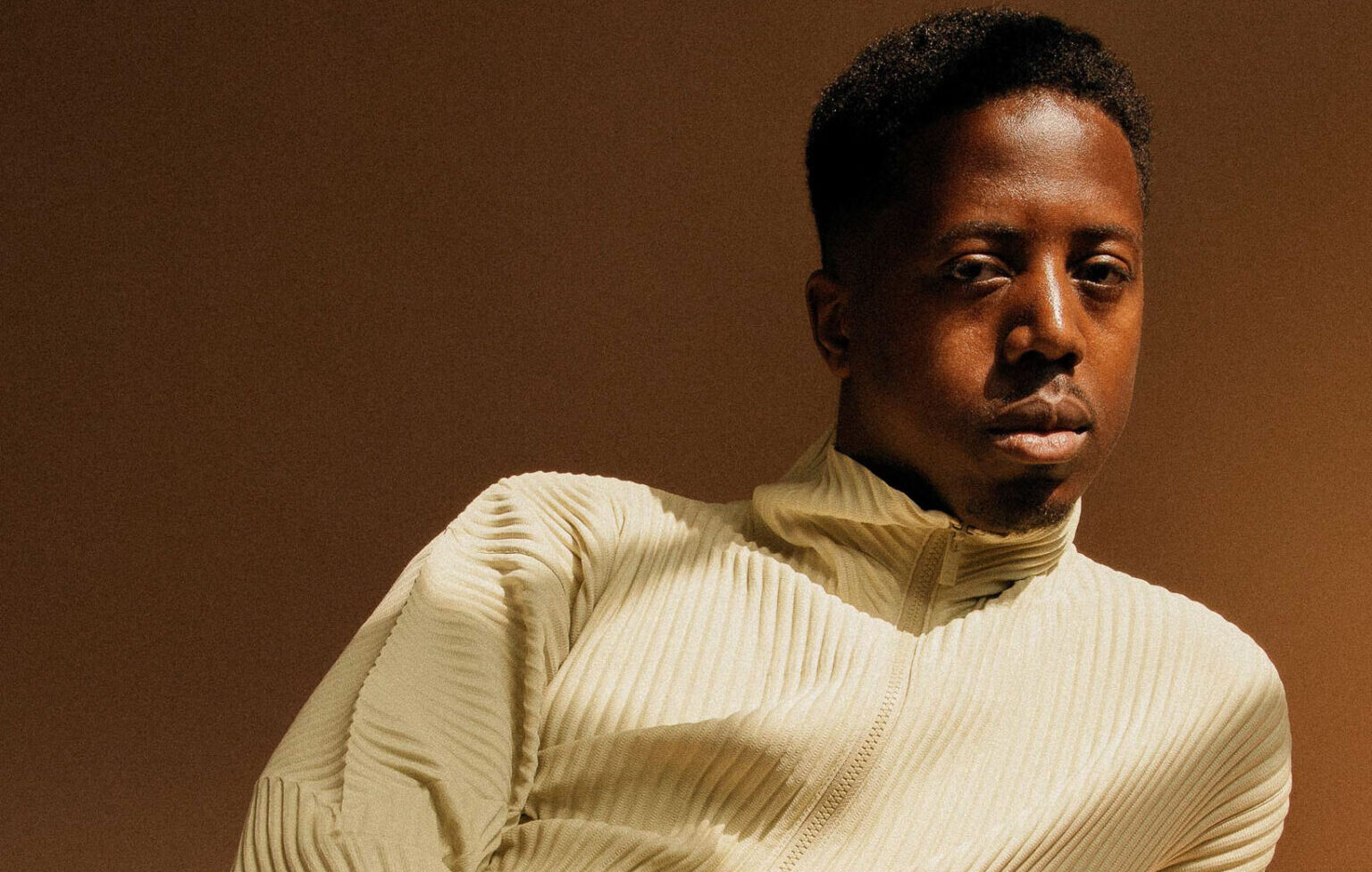
Whenever he would play music in church as a child, Moses Boyd could always imagine more than what was in front of him. Gospel music is infused into the bones of all who grow up in this south-east London community of Caribbean immigrants and their descendants, providing a comforting glow akin to a home-cooked meal. Decades later, Boyd has finally found the opportunity to remould that foundation in his own image with his latest project, Moses Boyd Songs for Sinners.
From the Jazz Vanguard to Spiritual Roots
Getting his start in the same London jazz scene that spawned contemporaries like Ezra Collective, Nubya Garcia, and Shabaka Hutchings, Boyd’s muscular drumming and unique composition style made him a breakout star. His 2018 track ‘Rye Lane Shuffle’ remains a definitive anthem of that era, and his debut album, Dark Matter, earned a Mercury Prize nomination in 2020. However, as the scene evolved, so did Boyd’s creative direction.
Boyd observes that the musicians from his cohort have since branched into diverse sonic territories. While Ezra Collective might be found in a DJ booth at a rave and Shabaka Hutchings explores the flute alongside André 3000, Boyd has turned inward toward his upbringing. He suggests that the “jazz” label was merely the glue that held their adventurous spirits together at the start. That same lack of genre-based purity now fuels his stunning new record, Songs for Sinners.
A Global Journey Toward Personal Faith
The seeds for this new sound were sown while Boyd was touring the world. “This boy from south London is suddenly in Khartoum, Sudan, on the Blue Nile, chatting to these Sufi Muslims,” he recalls. These international encounters, from Sudan to Vietnam, allowed him to connect the dots between his Pentecostal upbringing in Camberwell and the myriad ways faith binds communities globally. Seeing the world opened his eyes, prompting him to zoom in on his own specific experiences to create an album of memory and community.
Songs for Sinners is a deeply personal work, featuring what Boyd calls a “kitchen sink choir”—his own family singing together in his home. The record incorporates interpolations of songs woven into the DNA of his community, paired with lyrics that explore the impact of faith throughout his life. Meeting in the south-east London heartland that forged him, Boyd notes that this is the most of himself he has ever put into his music.
The Raw Intimacy of the “Kitchen Sink Choir”
The album represents a significant milestone for Boyd, as he took on the role of lyricist for the first time. “I’m singing songs I grew up singing in church with my family,” he explains. “My family’s on the record singing, recorded in my kitchen. It’s telling the story of me growing up in a Caribbean church, a very religious family.” While he admits he may not be a traditional singer, the vulnerability of his voice felt essential to the narrative.
The creation of the album was a frantic, impulsive process spanning five years. From working on his laptop during family holidays in St Lucia to booking last-minute sessions at Church Studios in north London, Boyd felt a “mystical” drive to complete the work. This urgency found its purpose when he learned he was expecting his first child, a life-altering event that shifted the fabric of the album once again.
Redefining the Gospel Narrative
Despite its roots, Boyd is hesitant to label the project strictly as a gospel record, finding the term too prescriptive. Instead, he describes it as a “soundtrack to faith.” He aims to invite listeners into a conversation with themselves, regardless of their religious background. “To me, gospel is preaching and telling, and there isn’t that on this record,” he says. He draws parallels to transgressive modern works by artists like Rosalía, Dave, and Killer Mike, which grapple with iconography and faith in non-traditional ways.
Ultimately, Songs for Sinners is an exploration of the “push and pull” of faith—the good and bad experiences people have with religious institutions. It is a sound and story infused with the spirit of his community, intended for anyone navigating their own relationship with a higher power. As Boyd prepares to share this emotional work with the world, he recognizes it as a necessary step in his own evolution, both as an artist and a father.