

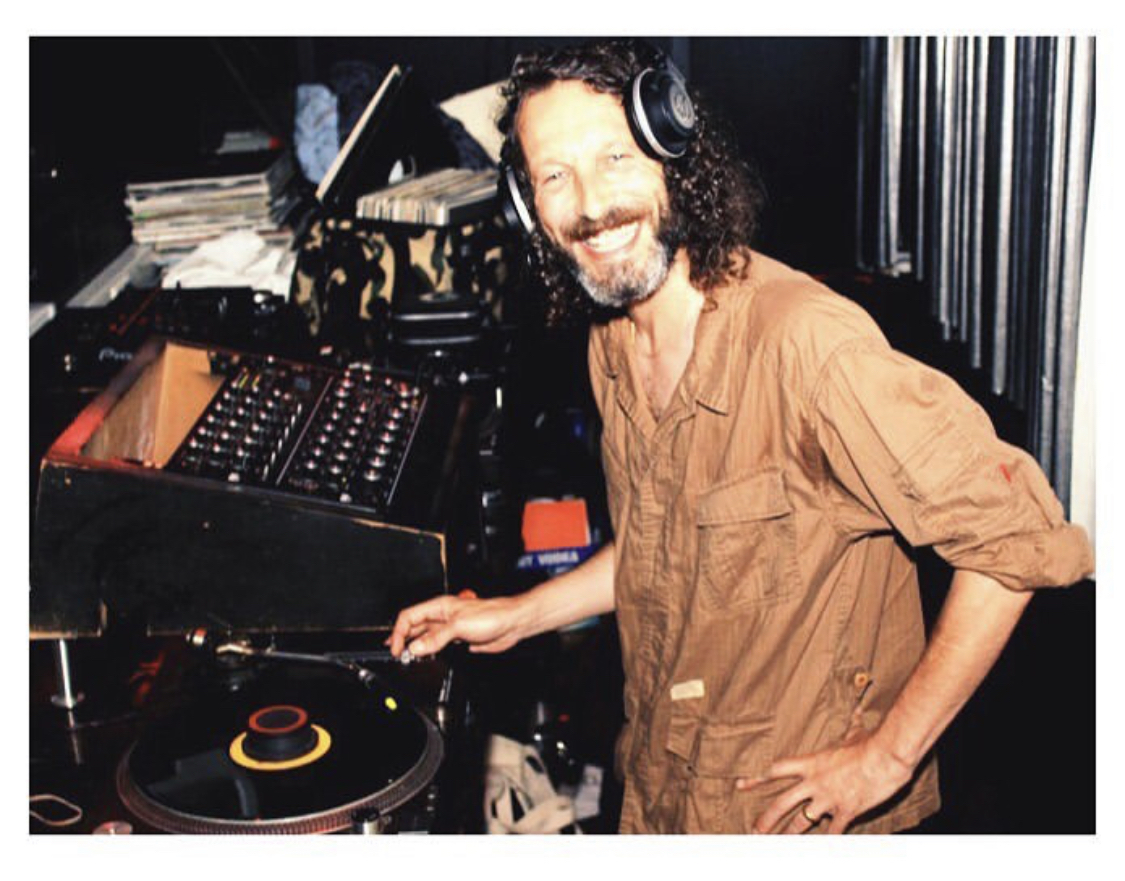
In a definitive DJ Harvey interview, the legendary selector reveals that his current life in Los Angeles is a delicate balance between the dark, loud rooms of global club culture and the “cosmic waves” of the Pacific Ocean. Settled in Venice Beach since the mid-2000s, Harvey Bassett has found a sanctuary where surfing First Point Malibu serves as the ultimate antidote to the pressures of a four-decade career. For Harvey, the secret to longevity isn’t found in “wellness shit” but in a simple, hedonistic philosophy: happy is healthy.
The Venice Beach Philosophy: Happy is Healthy
Harvey’s approach to life is as unconventional as his DJ sets. He famously views chocolate cake as a health food because of the joy it brings, noting that the inventor of Nutella outlived the inventor of Pilates by half a century. This spirit of joyful defiance extends to his family; he notes his mother’s diet of tea and gin has kept her rocking well into her late 80s. In Harvey’s world, the mental state of “happy” is the primary driver of physical health.
This perspective informs his work as a “personality DJ.” His sets are defined by their unpredictability and fluidity, stretching over hours to create a unique narrative. Whether at legendary parties like Moist, Tonka Sound System, or Mercury Rising—a residency that saw a significant surge in global acclaim around 2018—Harvey has cultivated a cult-like following of “study masters” who value his dancefloor-first mentality. He remains a master of the atmosphere, confident in his ability to play the crowd like a harp.
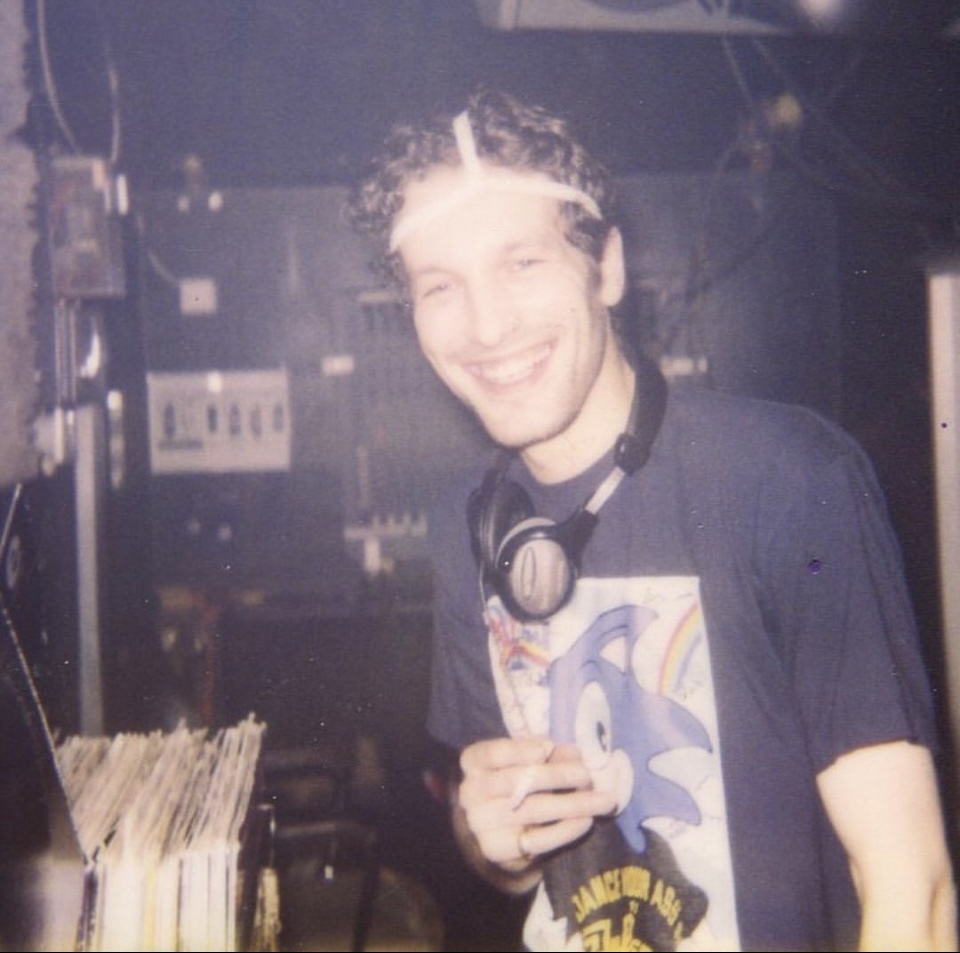
Ministry of Sound and the Rejection of Nostalgia
On 22 August, Harvey returns to the helm of Ministry of Sound to celebrate 35 years of the institution with a one-night-only return of Rulin’. The club, founded in 1991 by Justin Berkmann, was inspired by New York’s Paradise Garage and revolutionized London’s nightlife with its sound-first approach. Despite the historical weight of the event and its record pre-sale sell-out time, Harvey remains characteristically unfazed by nostalgia.
“Good luck with my disco dementia,” he jokes, dismissing the urge to dwell on the past 35 years. His philosophy is rooted firmly in the present: “Now is better than it’s ever been.” While he acknowledges the “monstrous corporate beast” that the industry has become, he maintains that there are more opportunities and more music available today than ever before. He actively disdains the “not-like-it-used-to-be” attitude, choosing instead to embrace the evolution of the scene, particularly the shifts seen since 2020.
The Evolution of the Dancefloor: Phones and Shazam
This embrace of the “now” extends to the controversial presence of phones in clubs. While many venues are moving toward phone bans to recapture a perceived lost era of connection, Harvey remains indifferent. “It’s not the phone, it’s the people,” he argues. He views his audience as respectful individuals and sees the act of recording as a modern evolution of “trainspotting”—the 90s practice of dorky guys hovering near the decks to identify record labels.
Harvey himself is a proponent of modern tools like Shazam, using it to discover music in taxis, coffee shops, or via his girlfriend’s phone. However, he still maintains a soft spot for the physical find. He continues to hunt for dusty cassettes in junk shops, seeking the inspiration that an algorithm might overlook. He recalls his first record, Thin Lizzy’s The Boys Are Back in Town, which he played until the grooves were literally worn away—a level of intentional listening he feels is rarer in the age of unlimited streaming.
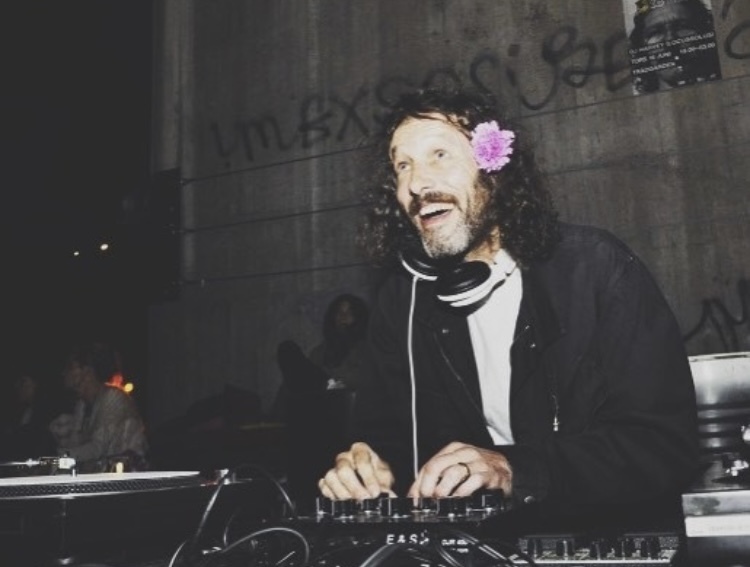
Punk Roots and the DIY Mentality
Harvey’s career began long before the dancefloors of Ibiza or London. As a teen drummer in the post-punk band Ersatz, he was part of a creative wave born out of the social and economic hardship of the seventies. This “punk attitude” remains the bedrock of his career. He encourages aspiring artists to step outside the social media marketing machine if it feels restrictive, urging them to “rise above it” and focus on the craft.
“If you’re pissed with what’s going on right now, pull your finger out and fucking dye your hair blue,” he suggests. For Harvey, the DIY spirit is alive and well for anyone who can “think straight” and get their shit together. His advice to the next generation is simple: don’t try too hard, enjoy yourself, and put on a party for your mates. If it’s meant to work out, it will.
As he prepares for his only UK appearance of the year, Harvey remains focused on the atmosphere of the room rather than the legacy of the brand. For him, the Ministry of Sound show is just another opportunity to create a moment of collective joy. In the end, his message is clear: “Now is back in the day. Now is great.”