

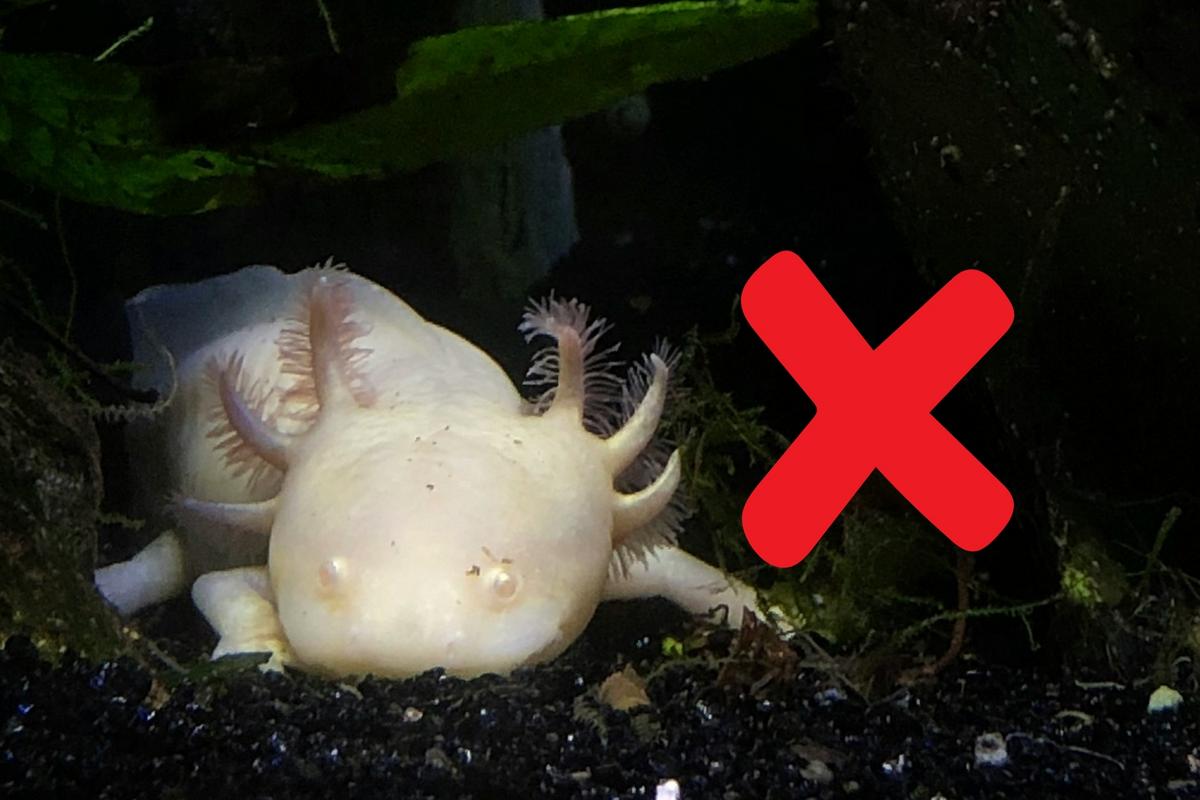
The rise of the axolotl in popular culture—fueled by appearances in Minecraft, Fortnite, and the Pokémon franchise—has led to a surge in interest among exotic pet enthusiasts. However, navigating axolotl pet laws is essential before attempting to bring one of these “smiling” salamanders home. While they are widely available in many regions, several U.S. states have strict prohibitions or permit requirements regarding their ownership.
Understanding the Axolotl: The Amphibian That Never Grows Up
Axolotls (Ambystoma mexicanum) are a unique species of salamander native to the lake complexes of Mexico City. Unlike most amphibians, axolotls exhibit neoteny, meaning they reach sexual maturity without undergoing metamorphosis. As the BBC famously noted, they are the “amphibians that never grew up,” retaining their larval features—including their iconic external gills—throughout their entire lives.
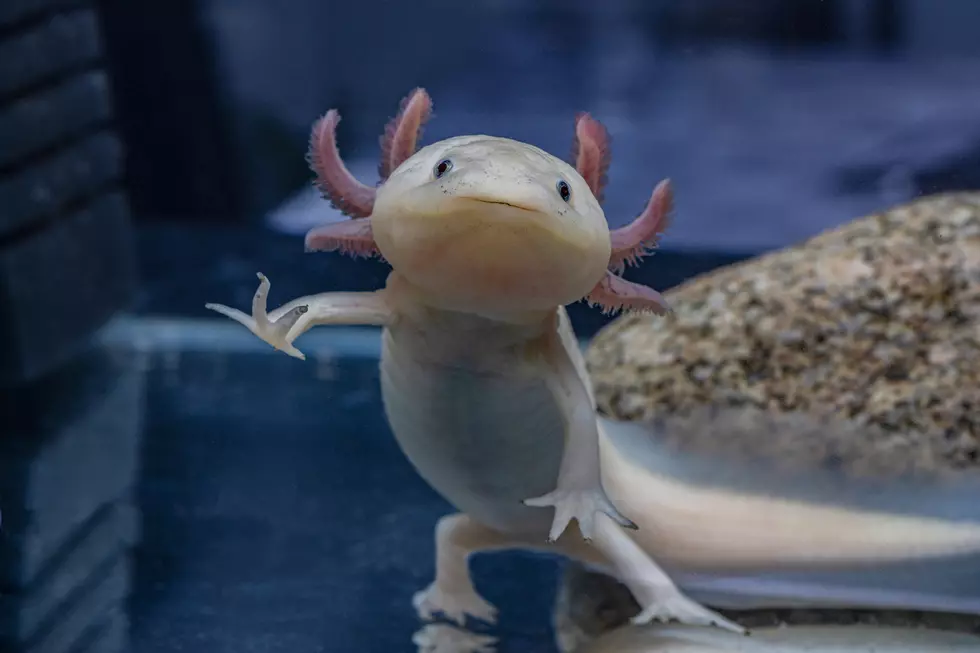
Beyond their aesthetic appeal, axolotls are of significant interest to the scientific community due to their extraordinary ability to regenerate lost limbs, heart tissue, and even portions of their brain. Unfortunately, their wild populations have dwindled significantly as urban expansion in Mexico City continues to encroach upon their natural habitats.
Where Is It Illegal to Own an Axolotl?
Despite their popularity, axolotls are not legal to own in every jurisdiction. According to data from Axolotl Central, ownership is strictly prohibited in California, Maine, New Jersey, and Washington, D.C. Furthermore, residents of New Mexico and Hawaii must obtain specific permits to legally keep an axolotl as a pet.
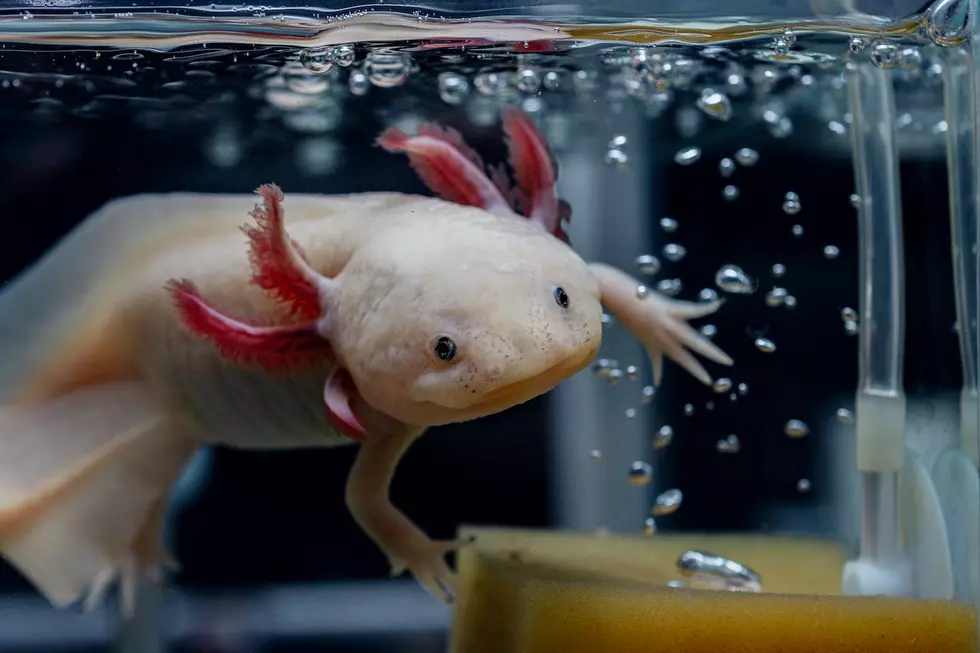
The primary motivation behind these bans is environmental protection. In states like California, wildlife officials fear that if axolotls were released into the wild, they could become an invasive species, outcompeting local wildlife and disrupting delicate ecosystems. Their ability to survive in various conditions makes them a potential threat to native salamander populations.
The Realities of Axolotl Husbandry
Even in states where ownership is legal, potential owners should be prepared for the rigorous demands of axolotl care. These are not “set and forget” pets; they require a specific environment to thrive. Key care requirements include:
- Temperature Control: Axolotls must be kept in water consistently below room temperature (ideally between 60°F and 64°F).
- Specialized Feeding: They often require hand-feeding or the use of tongs to ensure they receive proper nutrition.
- Water Maintenance: Because they produce significant waste, owners must frequently clean the tank, often using tools like turkey basters for spot cleaning.
Given these complexities, many experts suggest that those captivated by the creature’s charm might find a plush toy or digital version a more manageable alternative to the real thing.