

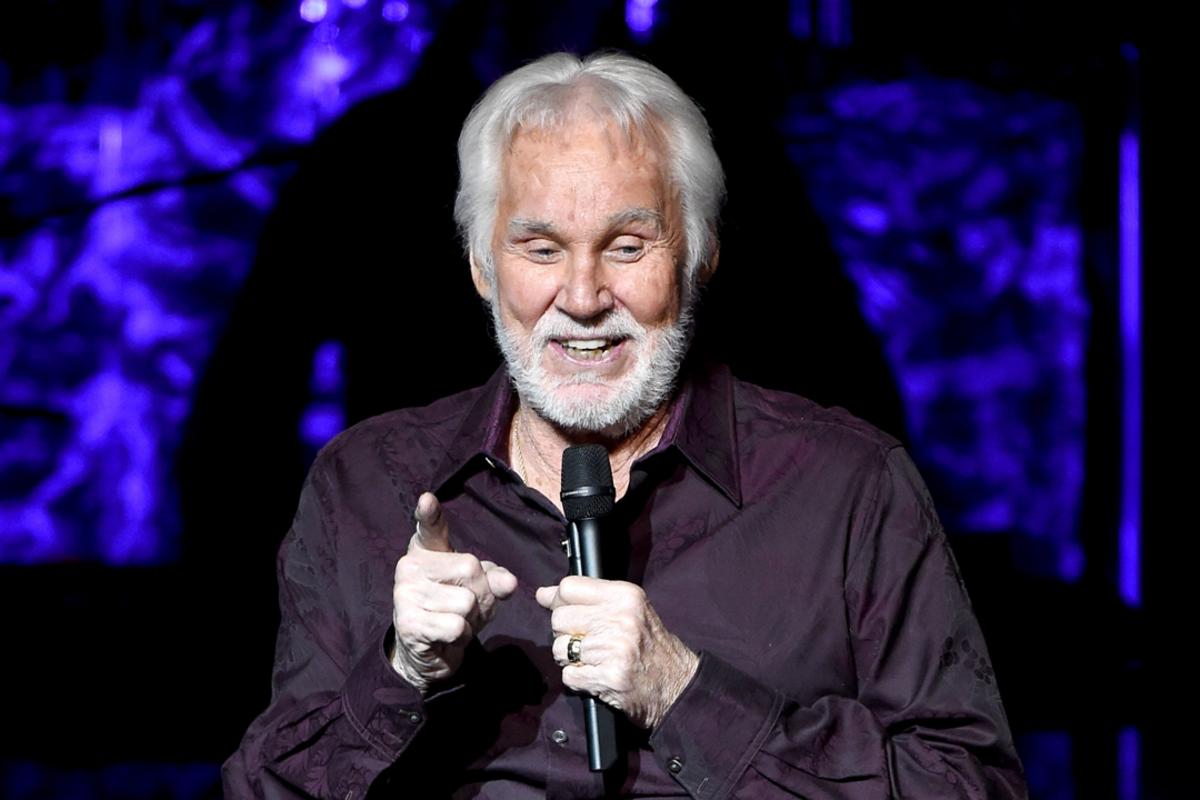
Kenny Rogers scored the defining hit of his career when he released “The Gambler” in 1978, but the journey of Kenny Rogers’ The Gambler to the top of the charts was anything but certain. While the song is now synonymous with the late country icon, it passed through the hands of several other legends—and was nearly overlooked entirely—before finding its permanent home in the Great American Songbook.
The Midnight Inspiration of Don Schlitz
The story begins not with a superstar, but with a struggling songwriter named Don Schlitz. In 1976, Schlitz was working the graveyard shift as a computer operator in Nashville, chasing a dream that had yet to materialize. The inspiration for “The Gambler” struck during a twenty-minute walk from the Music Row office of his mentor, Bob McDill, back to his apartment.
Schlitz later recalled that most of the song came to him during that brief walk. However, the ending remained elusive. “I didn’t write a last verse, had no idea what was gonna happen,” he admitted. It took another six weeks of contemplation before he decided on the title character’s quiet passing, a conclusion that added a layer of profound philosophy to the narrative. Despite its brilliance, Schlitz initially met with resistance in Nashville due to the song’s unusual structure and somber subject matter.
The Artists Who Recorded It First
Before Rogers ever stepped into the booth, “The Gambler” was shopped around to various artists. Bobby Bare was the first to take a chance on it, recording a version for his album Bare in April 1978. Bare’s rendition was a straightforward reading of the material that lacked the dramatic flair Rogers would eventually impart; consequently, it was never released as a single. Schlitz himself also recorded the song in 1978, and while his earthy take reached No. 65 on the charts, it remained largely a cult favorite rather than a mainstream hit.
A Tale of Two Legends: Rogers vs. Cash
The song eventually reached the ears of producer Larry Butler, who was simultaneously producing new projects for both Kenny Rogers and Johnny Cash. In a move that would change music history, Butler decided to have both men record the song, leading to two vastly different results.
Johnny Cash’s version, included on his Gone Girl album, is often cited as a missed opportunity. Reports suggest that Cash was distracted and under the influence of drugs during the recording session. He reportedly argued with Butler over his dislike for the song, resulting in a performance that felt perfunctory and dull. Cash’s take featured a monotonous instrumental track and a vocal that was more spoken-word recitation than a soulful narrative.
In contrast, Kenny Rogers gave a spirited, cinematic performance. His version introduced a masterful arrangement that built tension through unexpected modulations and a dramatic call-and-response breakdown. Rogers’ performance placed the listener directly inside that “train bound for nowhere,” creating a vivid experience that resonated across genres.
The Willie Nelson Miss and the Song’s Legacy
In an ironic twist of fate, Rogers actually tried to give the song away before recording it himself. He pitched it to Willie Nelson, who ultimately passed on the track. Nelson later explained that he was already performing “Red Headed Stranger” every night—a song with “100 verses”—and simply didn’t want to add another long, narrative-heavy ballad to his setlist. Rogers took the rejection in stride, decided to record it himself, and the rest is history.
Released on November 15, 1978, “The Gambler” topped the Billboard Hot Country Songs chart and crossed over to reach No. 16 on the mainstream Hot 100. It earned Rogers a Grammy for Best Country Vocal Performance, Male, and spawned a franchise of television movies that further cemented his legacy. The song remains a testament to the power of storytelling in music, a legacy that continues even after the passing of songwriter Don Schlitz in April 2026.