

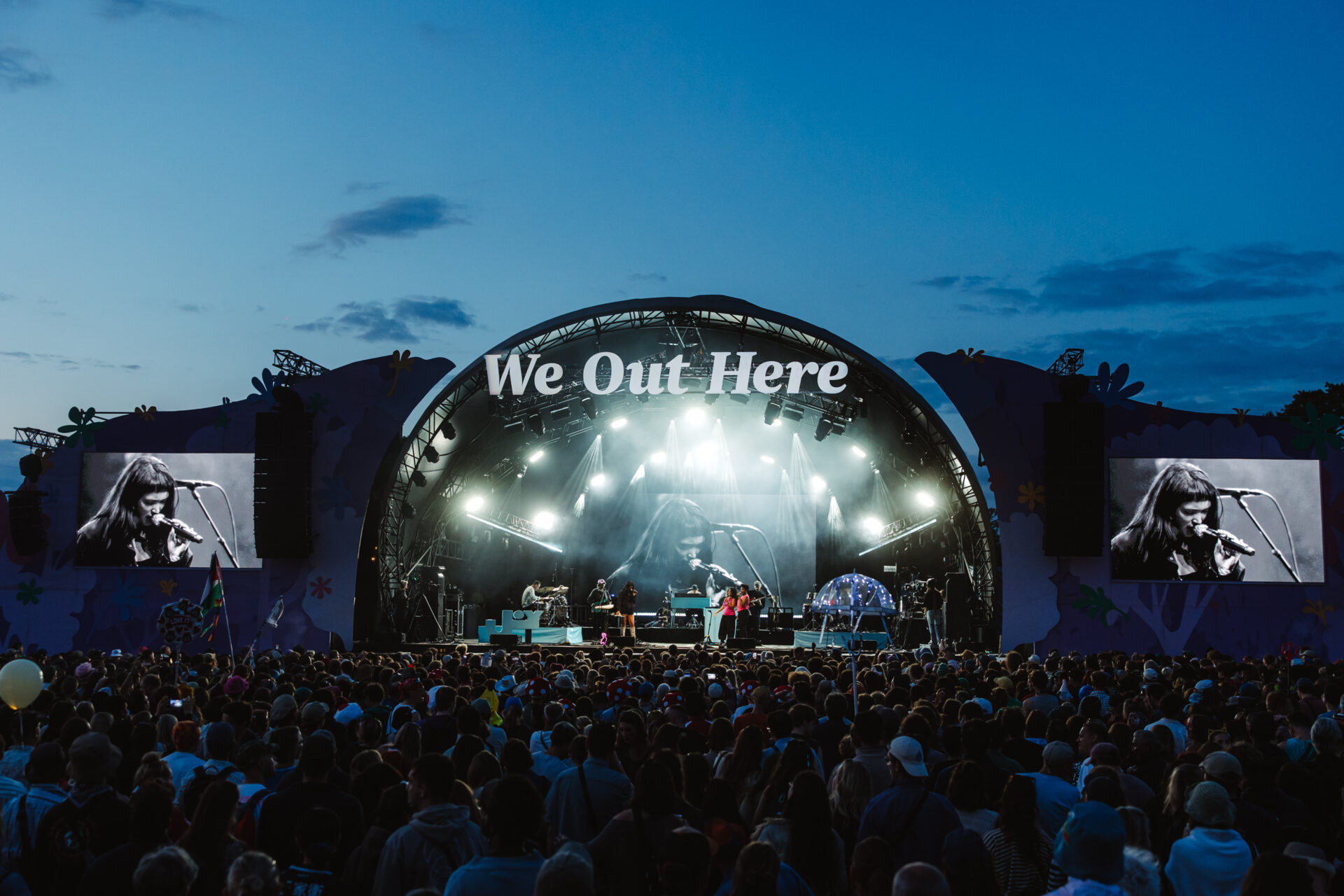
A dry, dusky glow has settled over the parched fields of Wimborne St Giles, Dorset. As a small yet ominous dust devil formed by the main stage hours earlier, rumors began to swirl around the site: Four Tet had landed. Swooping in for a surprise set to round off the weekend, the electronic music trailblazer joined a stacked bill of DJs that could rival any club-centric UK festival, including garage titan Wookie, junglist master DBridge, and global bass music champion Jamz Supernova. At the heart of the experience was Gilles Peterson, the architect of the We Out Here 2026 festival and one of the UK’s most respected musical tastemakers.
A Legacy of Curation and Community
What started in 2019 as an extension of an influential UK jazz compilation record released on Peterson’s Brownswood label has become one of the most artfully curated and widely respected festivals in the country. This year’s edition sold out rapidly, and the high number of returning attendees demonstrates how firmly We Out Here wraps its audience in a creative embrace. The festival has successfully transitioned from a niche gathering to a cornerstone of the British summer calendar without losing its core identity.
Bridging the Gap Between Jazz and the Dancefloor
The core of the lineup is a clever blend of dance music and jazz that organically locates the pockets of connection between those worlds. This year, the programming lured in acclaimed global headliners like Thundercat, Digable Planets, and Peven Everett. The crowd remains refreshingly diverse for a British camping festival, while the programming places significant emphasis on staging discussions and platforming craft activities, such as the communal ‘Weave Out Here’ loom.
All this helps build a fluid creative feeling in the air and a sense of possibility. This atmosphere led to moments like fast-rising Glasgow multi-instrumentalist corto.alto spontaneously pulling up under a tree with a large JBL speaker to play his new album, passing around bottles of Buckfast to fans in an intimate, impromptu performance.
Platforming the Future of UK Music
Typifying the festival’s mission, corto.alto’s Friday main stage slot reflected the exciting directions UK artists are taking jazz music today. Ezra Collective bandleader Femi Koleoso summarized the spirit of the event during his sunny DJ set on Thursday evening: “This festival is the perfect mix of people you love and people you don’t know yet. Make sure you see as many of the people you don’t know as possible.”
On that front, the Tomorrow’s Warriors Big Top—named after Gary Crosby and Janine Iron’s revered organization providing free jazz lessons to young people in London—remains a highlight. A hugely talented cast of young musicians performed there over the weekend, with a particular standout being “A Grime Supreme,” an inspired exploration of the spaces where grime and jazz music intersect.
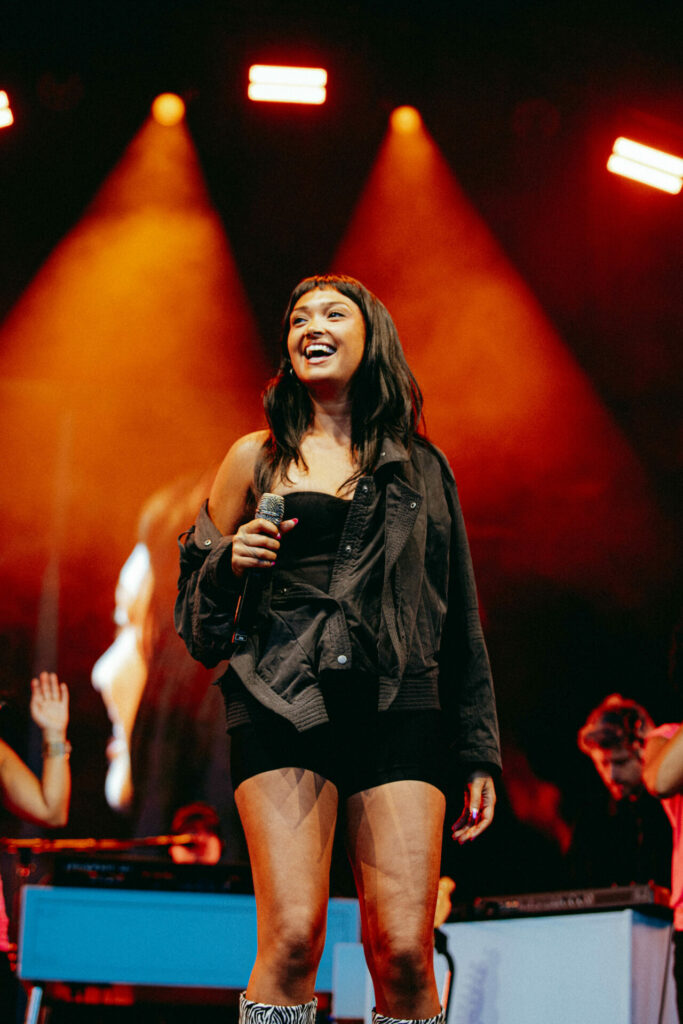
There was a similar mission on show during Steam Down’s powerful Saturday afternoon slot at the Lush Life stage. As darkness descended, hip-hop storyteller Kofi Stone galvanized the crowd with a polished, thought-provoking headline set elevated by a heartfelt message about male vulnerability. More broadly, the selection of soul-laced UK vocalists was a delight, with Olive Jones, Bel Cobain, and Joy Crookes all delivering standout performances.
Evolution and the Challenge of Growth
One notable change this year was the addition of the Beat Hotel, a 1950s beatnik bar-style stage run by the operators of the former Glastonbury stage. Beyond delivering high-energy bass and premium mezcal drinks, the stage served a strategic function, located in the spillout zone of The Bowl—a steep, tree-lined pit that provides hours of sound system magic in the site’s most interesting location.
In general, overcrowding was not a major issue, though the festival felt close to its limit. The capacity remained at 25,000 for the second consecutive year, and it feels like any further expansion would be a stretch. The queues for the ‘secret stage’ in particular were a rare point of frustration for some attendees.
Ultimately, We Out Here remains a friendly, vibrant, and drama-free annual celebration of the world’s most innovative jazz, soul, and club musicians. Hosted in a picturesque spot bordering the New Forest, it is a unique cultural event that fans hope will remain protected. In the hands of Gilles Peterson and his trusted team, the festival’s future appears secure.