

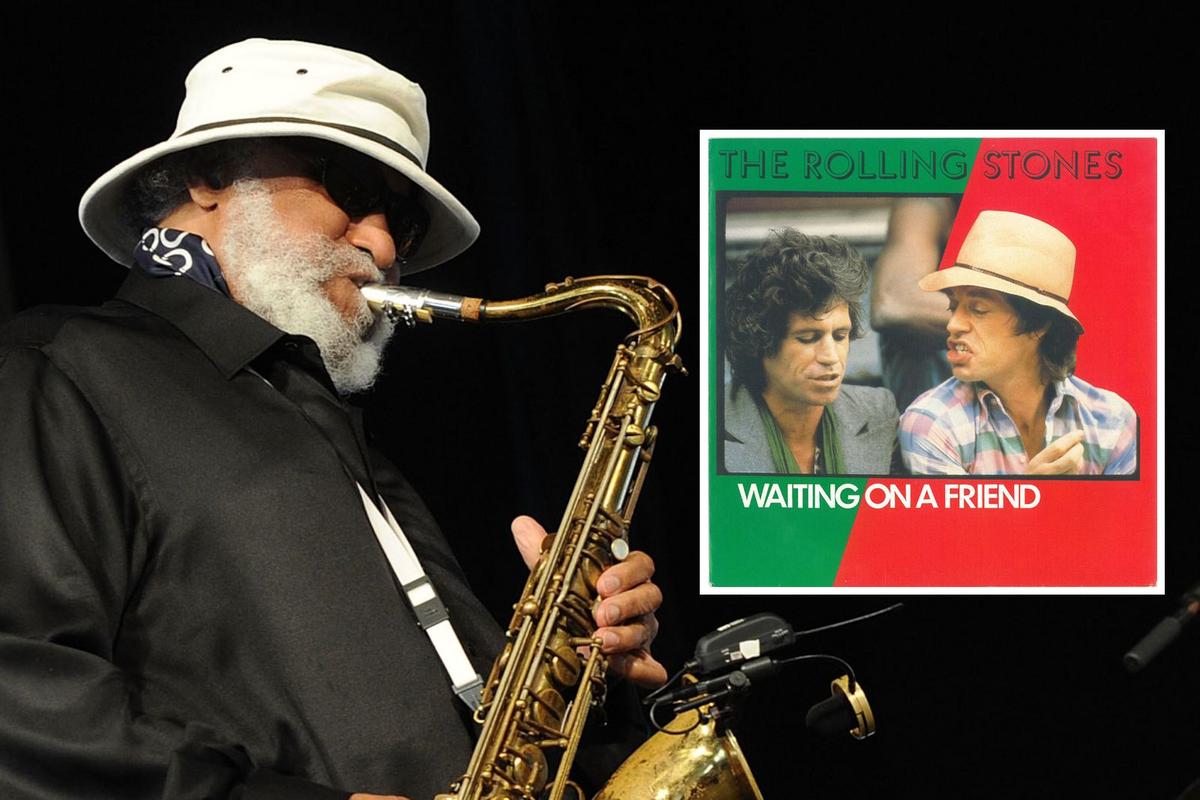
Sonny Rollins, the revered jazz saxophonist whose influence spanned generations and genres, passed away on May 25 at the age of 95. A titan of American music, Rollins was celebrated not only for his foundational contributions to jazz but also for his memorable collaborations with rock royalty, most notably the Rolling Stones.
A statement released following his death characterized Rollins as “one of the most honored and influential figures in American music of the 20th century and beyond.” His career, which lasted over six decades, saw him evolve from a teenage prodigy in Harlem to a global icon of the saxophone.
A Career Defined by Innovation
Born in Harlem in 1930, Rollins’ professional journey began early. By the 1950s, he had established himself as a premier musician in the jazz world. His career was marked by periods of intense creativity followed by self-imposed hiatuses—most famously a two-year break in the late 1950s—which only served to heighten the mystique surrounding his immense talent. He returned to the scene in 1961, continuing a trajectory that would see him perform on more than 100 albums alongside legends like Miles Davis, John Coltrane, and Thelonious Monk.
While his roots were firmly planted in jazz, Rollins’ reach extended into the rock world during the early 80s. In 1981, he contributed his signature sound to the Rolling Stones’ album Tattoo You, a collaboration that produced some of the band’s most enduring late-career highlights.
Collaborating with the Rolling Stones
The partnership between the jazz maestro and the rock legends was facilitated by Mick Jagger, who had met Rollins through a mutual acquaintance. Despite Jagger’s initial hesitation to approach the saxophonist, Rollins eventually agreed to the session, reportedly at the urging of his wife.
“I said: ‘Man, the Rolling Stones. I don’t want to do any record with the Rolling Stones,’” Rollins recalled in a 2020 interview. “I’d considered them — and it’s faulty — not on the level of jazz. But my wife said, ‘No, no, you must do it.’ So I said, ‘OK, let me see if I can relate to what they are doing; let me see if I can make it sound as good as possible.’”
Rollins’ contributions were featured on three tracks: “Slave,” “Neighbours,” and the hit single “Waiting on a Friend.” His emotive solo on the latter became a defining element of the song, helping it reach No. 13 on the Billboard Hot 100.
Despite the success of the recordings, Rollins famously declined an invitation to tour with the band. He later admitted that he didn’t initially recognize his own playing when hearing the songs in public. “I heard this song and thought, Who’s that guy? His playing struck a chord in me. Then I said, ‘Wait a minute, that’s me!’”
Legacy and Accolades
Rollins’ impact on music was recognized with numerous honors, including two Grammy Awards and a Lifetime Achievement Grammy in 2004. He was also a recipient of the Kennedy Center Honor in 2011 and held honorary doctorates from prestigious institutions such as Juilliard and Berklee College of Music.
His final public performance took place in 2012. Although he never formally retired, health complications stemming from pulmonary fibrosis eventually made it impossible for him to continue performing. His passing marks the end of an era for American music, leaving behind a legacy of uncompromising artistry.
In Memoriam: 2026 Deaths
A look at those we’ve lost in 2026.
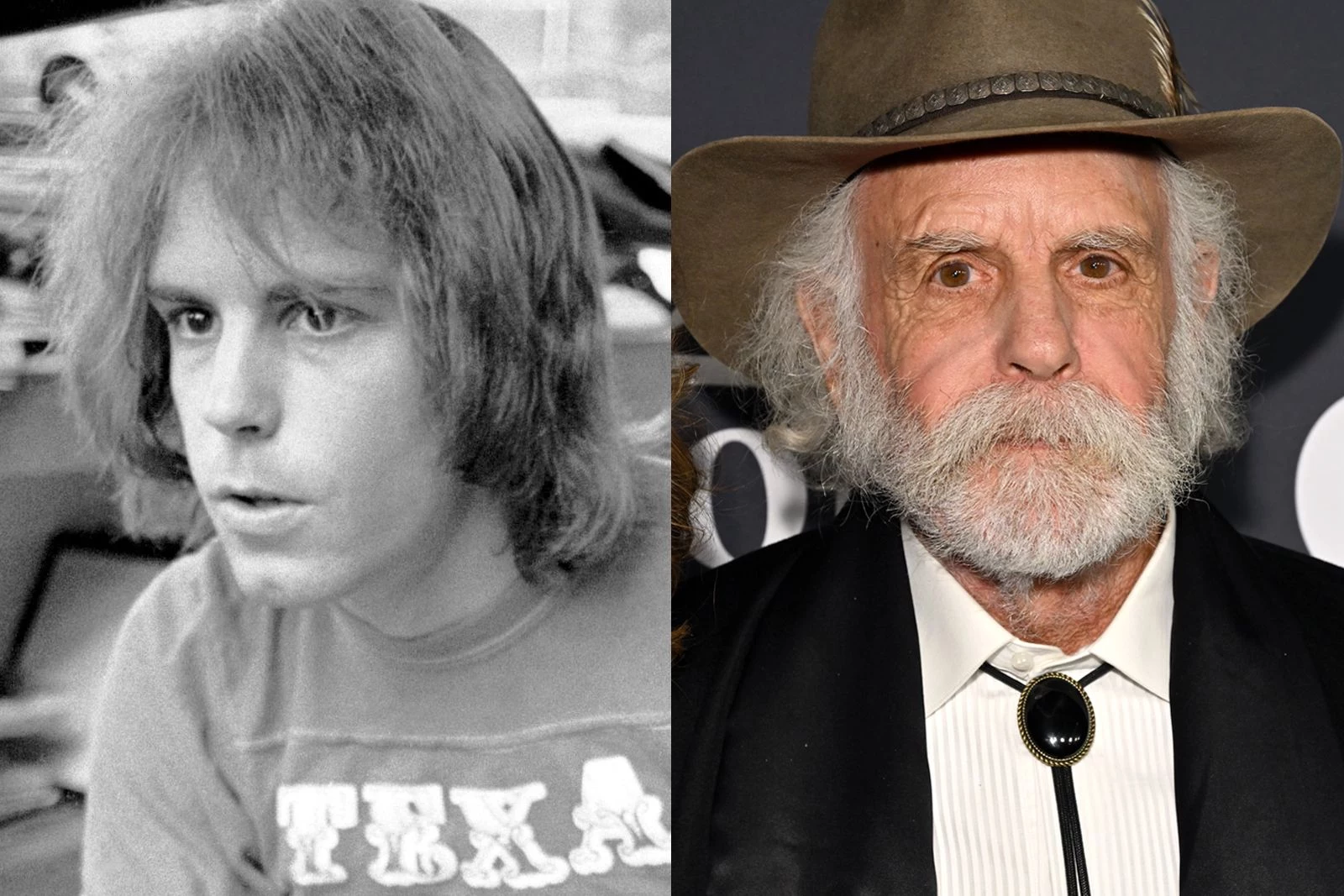
Bob Weir, cofounder, guitarist and singer for the Grateful Dead, died in early January at 78 years old — he’d been privately battling cancer since July of 2025.