

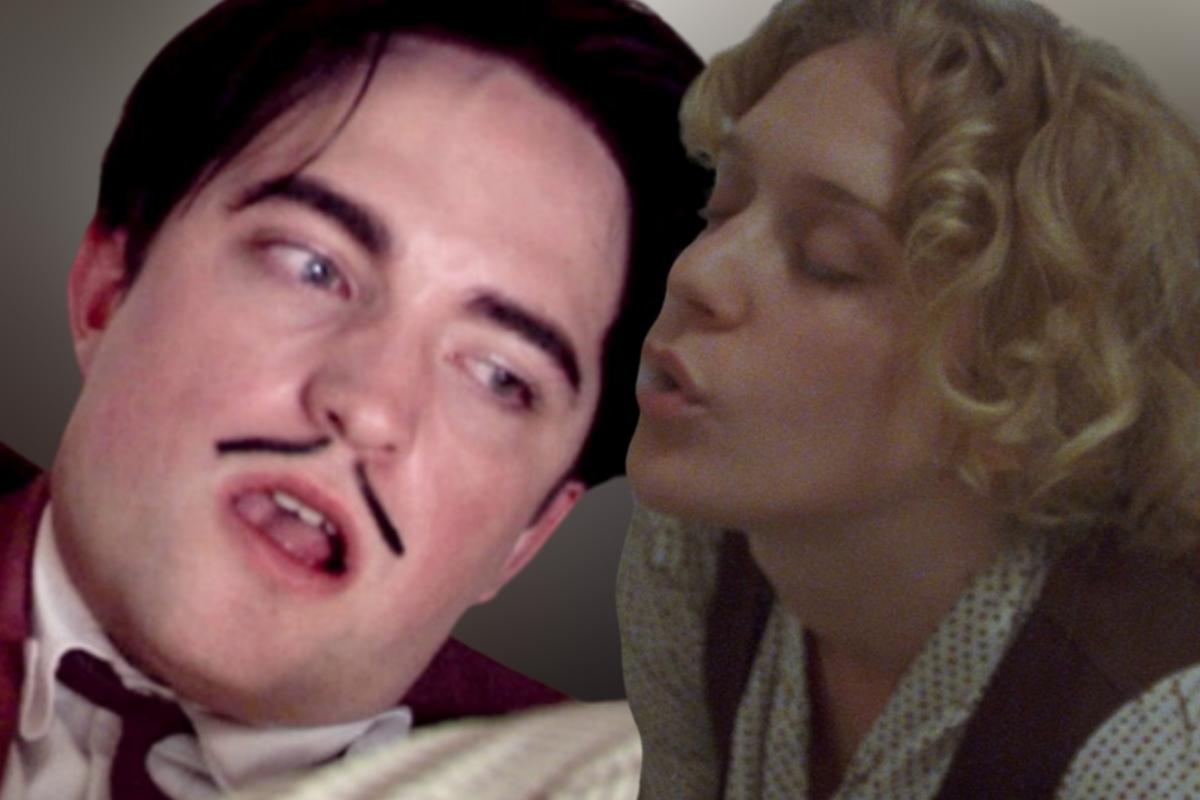
Sex scenes in cinema are often essential narrative tools, designed to convey intimacy, vulnerability, or the raw emotional state of a character. While most of these moments are carefully choreographed simulations, some actors and directors choose to bypass artifice in favor of absolute realism. This commitment often stems from “The Method,” a technique where performers fully immerse themselves in their characters’ psyches, behaviors, and physical experiences to deliver a performance that feels undeniably authentic.
Filming an intimate scene is a daunting task for any professional, requiring a high level of trust and vulnerability under the gaze of a full production crew. However, throughout film history, several productions have crossed the line from simulation to reality. Below, we examine five controversial films where the actors reportedly engaged in unsimulated sexual acts on camera.
Dogtooth (2009)
Directed by Yorgos Lanthimos, the 2009 psychological drama Dogtooth is a cornerstone of the “Greek Weird Wave.” The film follows three teenagers kept in a state of perpetual childhood by their controlling father, isolated from the outside world within a walled compound. The film’s exploration of power and stunted development includes scenes of unsimulated sex, a fact confirmed by the British Board of Film Classification (BBFC).
Despite its disturbing subject matter, Dogtooth was a critical triumph, earning a 93 percent approval rating on Rotten Tomatoes. Critics praised the film for being startlingly original and deeply unsettling, marking Lanthimos as a major voice in modern provocative filmmaking.
The Brown Bunny (2003)
Vincent Gallo’s The Brown Bunny remains one of the most polarizing films of the early 2000s. The erotic drama, which Gallo wrote, directed, and starred in alongside Chloe Sevigny, became infamous for a scene featuring unsimulated oral sex. At the time of its release, many critics argued the scene was gratuitous and overshadowed the film’s artistic merits.
Years later, Sevigny addressed the controversy in an interview with Playboy, maintaining that she had no regrets regarding the performance. She described the film as “tragic and beautiful,” noting that while the public reaction was complicated, she remained proud of the work and her collaboration with Gallo.
Little Ashes (2008)
In the 2008 biographical drama Little Ashes, Robert Pattinson took on the role of the legendary surrealist artist Salvador Dalí. While the film received mixed reviews, it gained significant attention for Pattinson’s admission regarding an intimate scene. The actor revealed that he performed an unsimulated act of masturbation on camera to ensure the performance felt genuine.
Pattinson explained his decision to Germany’s Interview magazine, stating that faking the moment “just doesn’t work.” He chose to pleasure himself in front of the camera to capture an authentic reaction, a move that highlighted his early career dedication to immersive acting.
Caligula (1979)
Starring Malcolm McDowell as the infamous Roman Emperor, 1979’s Caligula is perhaps the most notorious example of high-budget cinema crossing into explicit territory. Produced by Bob Guccione, the founder of Penthouse magazine, the film was intended to be a lavish, erotic retelling of Roman history. Guccione insisted on including unsimulated sex and orgy scenes to match the historical accounts of Caligula’s decadence.
The film was met with significant backlash and legal challenges upon release, but it has since gained a cult following for its unique, if controversial, blend of prestige acting and hardcore explicit content.
Blue Movie (1969)
Directed by the avant-garde icon Andy Warhol, Blue Movie (also known by its more explicit title, F–k) is a seminal piece of underground cinema. The film features approximately 10 minutes of unsimulated intercourse between its leads. Released during the “Golden Age of Porn,” it was the first adult film featuring explicit sex to receive a wide theatrical release in the United States.
The film’s release was not without legal hurdles; it was briefly the subject of a court ruling in the late 1960s after being confiscated from a New York theater. Today, it is remembered as a provocative experiment in capturing the mundane reality of intimacy.
Bonus: Don’t Look Now (1973)
Nicolas Roeg’s psychological horror masterpiece Don’t Look Now features one of the most famous sex scenes in cinematic history. Starring Donald Sutherland and Julie Christie as a grieving couple in Venice, the scene is celebrated for its editing and emotional depth. For decades, rumors persisted that the actors were actually having sex on camera.
While the BBFC described the scene as “tasteful and integral to the plot,” the actors and crew have largely refuted the claims of unsimulated sex, attributing the scene’s realism to the high caliber of the performances. Regardless of the reality, the scene remains a benchmark for authentic portrayals of marital intimacy on screen.