

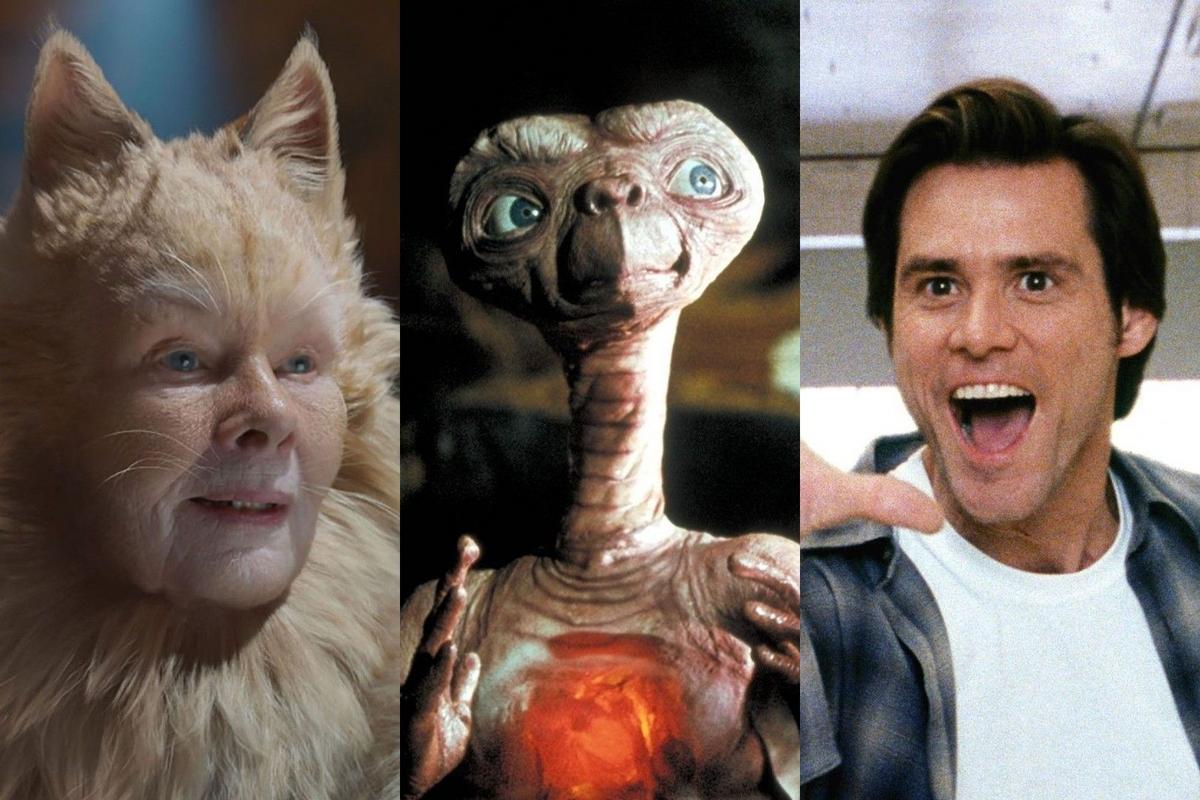
The phenomenon known as the Mandela Effect often leads audiences to believe they remember a film differently than it actually appears. While human memory is notoriously fallible, there are several documented instances where movies changed after release due to intentional edits, technical fixes, or creative revisions. From digital “patches” to significant narrative shifts, these alterations ensure that the version you see today might not be the one that originally premiered in theaters.
The Rise of the Digital Patch
In the modern era, the ability to tweak a film doesn’t end when the reels start spinning. Perhaps the most infamous recent example is the 2019 musical Cats. Following a wave of criticism regarding the unfinished look of the visual effects, the studio took the unprecedented step of sending updated digital files to theaters with “improved” visual effects while the movie was still in its initial run. Similarly, Spider-Man: Across the Spider-Verse made headlines when fans noticed subtle dialogue and animation differences between various theatrical prints, a move that reflects the increasingly fluid nature of digital distribution.
Revisionism and the Director’s Vision
Long before digital patches became common, directors were known for revisiting their work to better align with their evolving creative standards. The Star Wars Special Editions are the gold standard for post-release changes, introducing CGI characters and controversial scene edits that fundamentally altered the original theatrical experience. Steven Spielberg also famously modified E.T. The Extra-Terrestrial, a classic of the 80s, for its 20th anniversary by digitally replacing federal agents’ firearms with walkie-talkies—a change he later expressed regret over and eventually reverted for subsequent home video releases.
Aesthetic Consistency Across Franchises
Sometimes, movies changed after release to better align with their sequels or to take advantage of new hardware capabilities. When The Matrix, a defining film of the late 90s, was released on Blu-ray and subsequent 4K formats, the color grading was adjusted to lean more heavily into the iconic “green tint” established in the sequels, The Matrix Reloaded and The Matrix Revolutions. This retrospective adjustment ensures a cohesive visual language across the trilogy, even if it deviates from the original theatrical color palette of 1999.
Whether these changes are made for safety, aesthetics, or to fulfill a director’s vision, they highlight the fact that cinema is often a living document. While it can be frustrating for purists, these alterations prove that what we see on screen is rarely set in stone. Would you like a summary of the specific changes made to the next group of films on this list?